HomePrivacyCookiesTerms
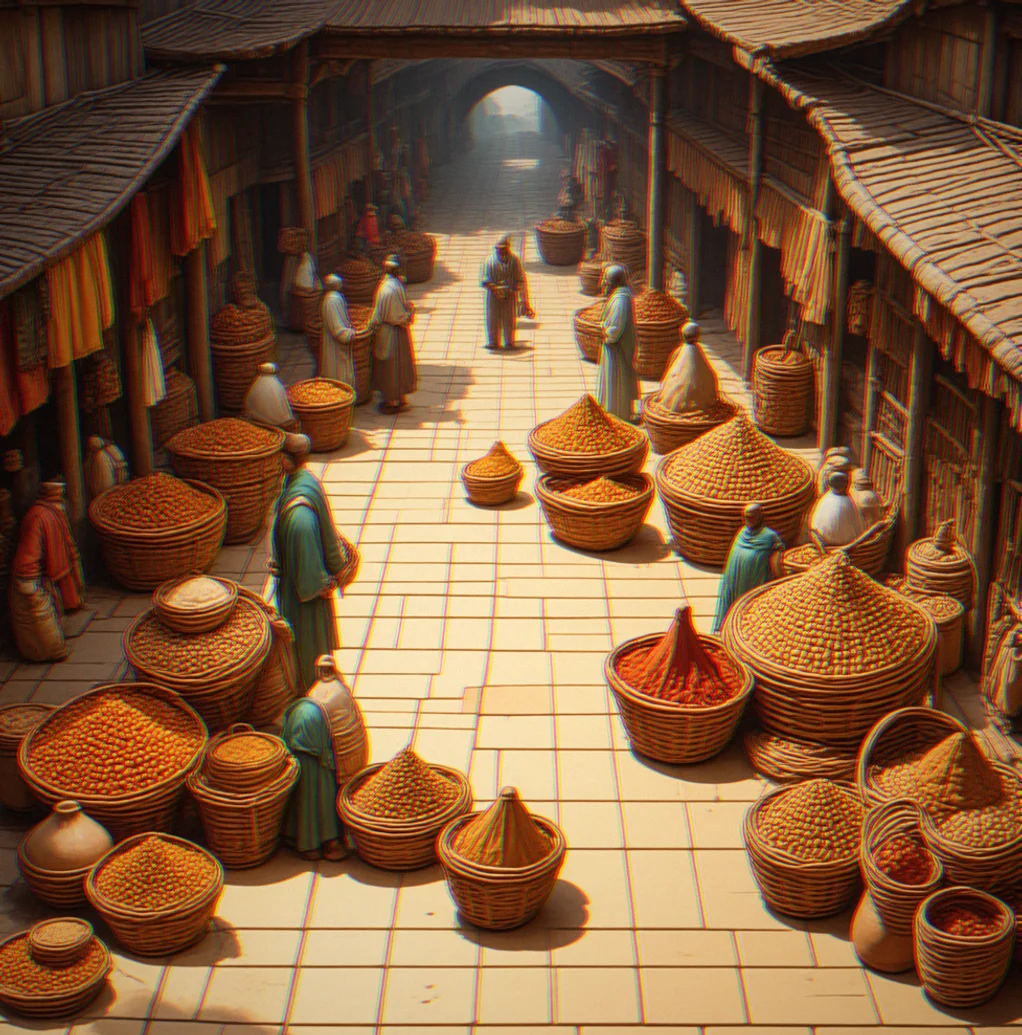
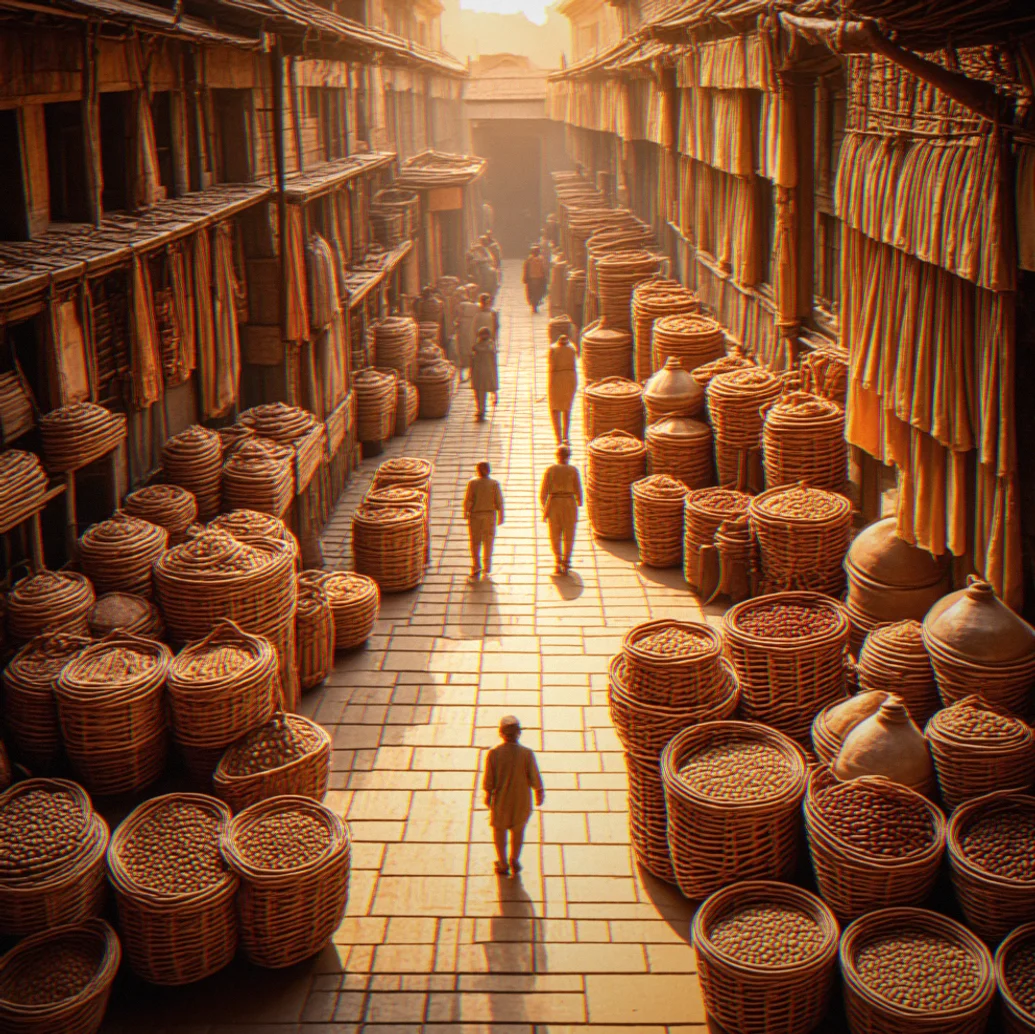
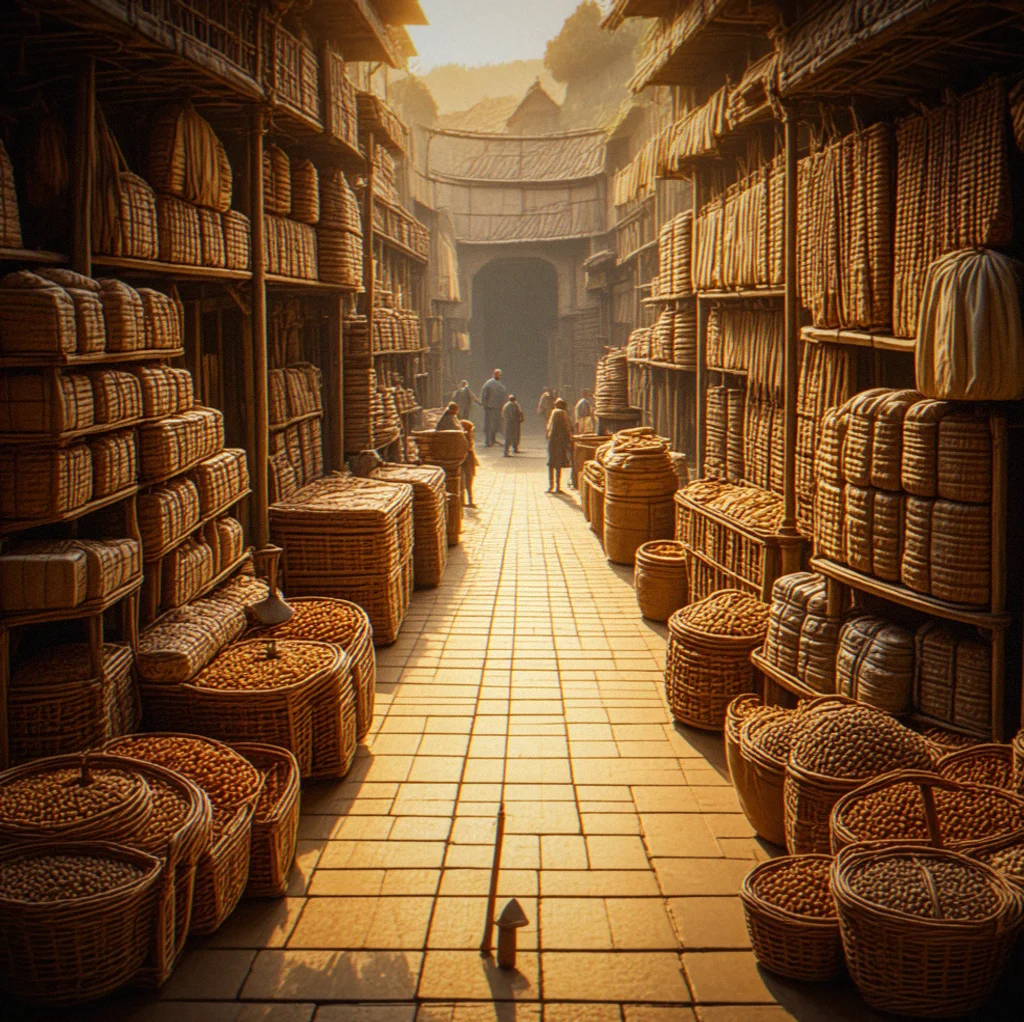
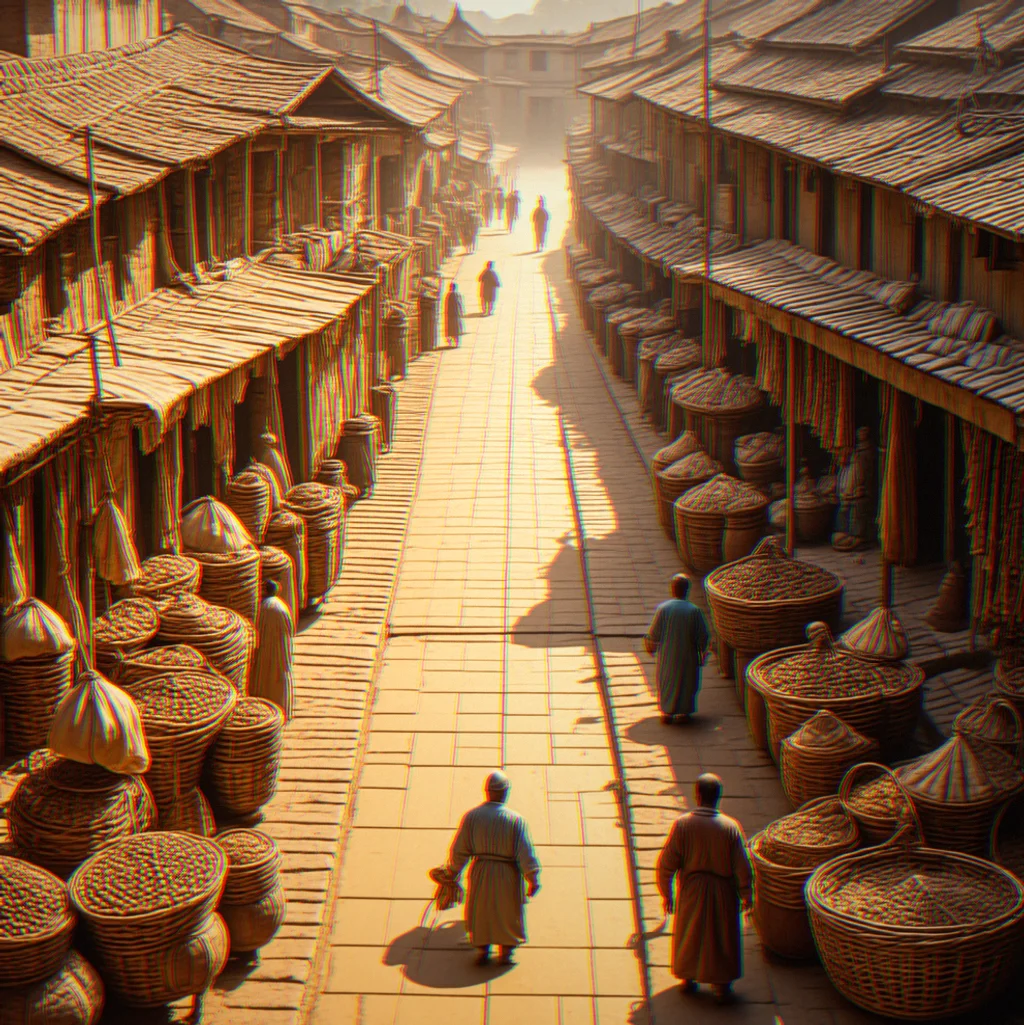
A bazaar district built by hand, with merchant stalls, supply routes, and storage for goods
Economic strategy you build yourself

Win through smarter trading

A real marketplace where supply and demand shift the prices. NPC merchants react instantly to what's available, supply chains snap under stress, and the fastest players come out ahead.

Widemarket isn't randomly generated. Every bazaar is built by hand. You trade spices, textiles, metals, ceramics across districts that were designed to make you choose carefully. Geography matters. Where merchants sit matters.

Prices move when supply and demand move. Stock floods the market and prices drop—that's when you buy. You hold the inventory long enough and scarcity pushes prices back up. Your trades shape what happens next.

There's no ending cutscene. No plot. Just you, your account books, and the moment a rival realizes they're broke while you own most of the copper in the region.

How the economy actually works

Real-time commodity price fluctuations showing spice, textile, metal, and ceramic markets

Widemarket runs on supply and demand. You grab 40 bolts of linen when the market's flooded and prices have crashed to 8 gold per bolt. Then three turns go by—a competitor locks down the cotton supply, textile production tanks, and suddenly your linen is worth 14 gold each. That's not luck. That's the system doing what systems do when something becomes scarce. NPC merchants watch inventory across the bazaar as it happens. They jack up prices when stock gets thin. They dump everything when their warehouses are bursting at the seams. You're looking at the same information they see, but you can think two or three moves ahead and they can't. So you move your capital into position before the shortage hits, you secure your supply before the spike and then you watch everyone else scramble.

NPC merchant warehouse with storage units and price adjustment indicators

Here's what breaks most people though: you can't just stockpile everything and call it a win. Storage has a cost. Loans charge interest. Hold too much inventory that isn't moving and your capital evaporates before you ever make a profit. The traders who actually succeed know exactly when to hold and when to sell—that's where it gets decided.

AI-driven commerce

NPC merchants react to what you do

NPC merchant updating prices based on real-time market signals
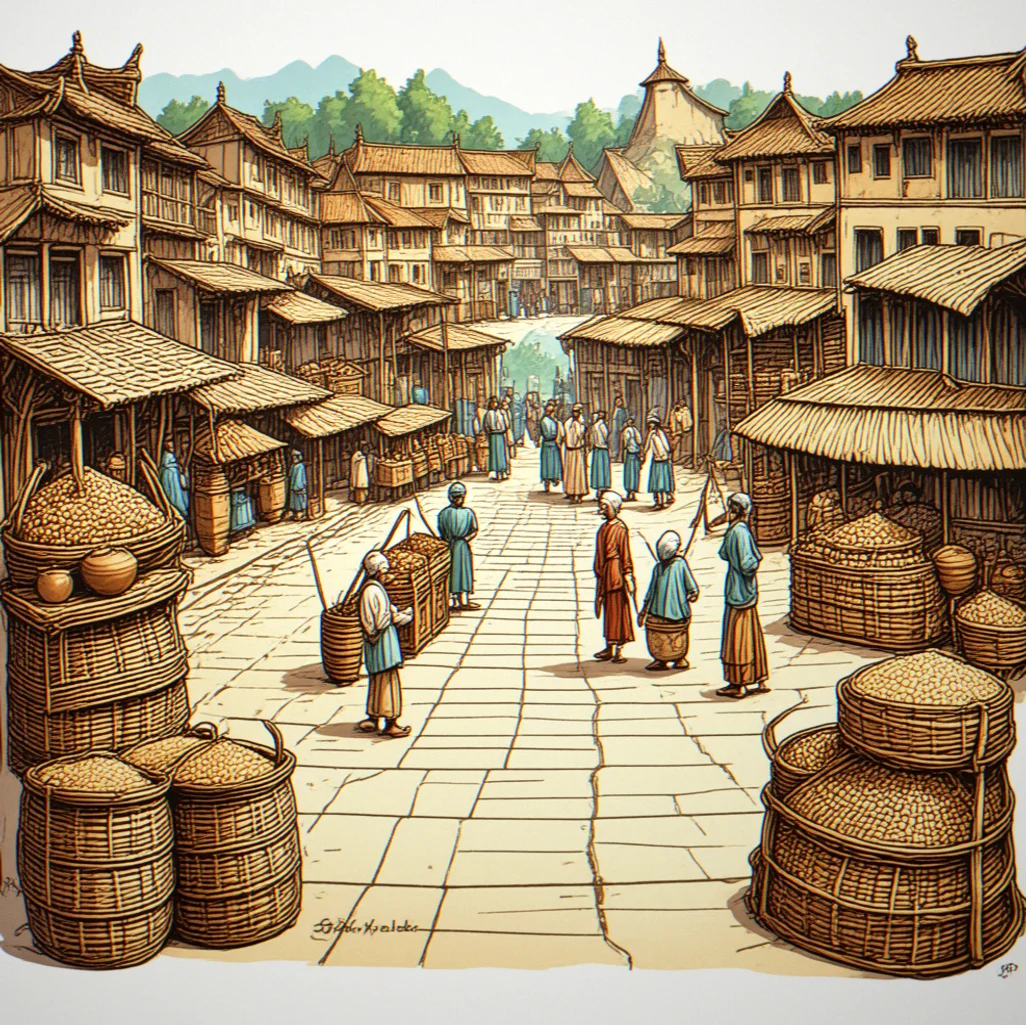
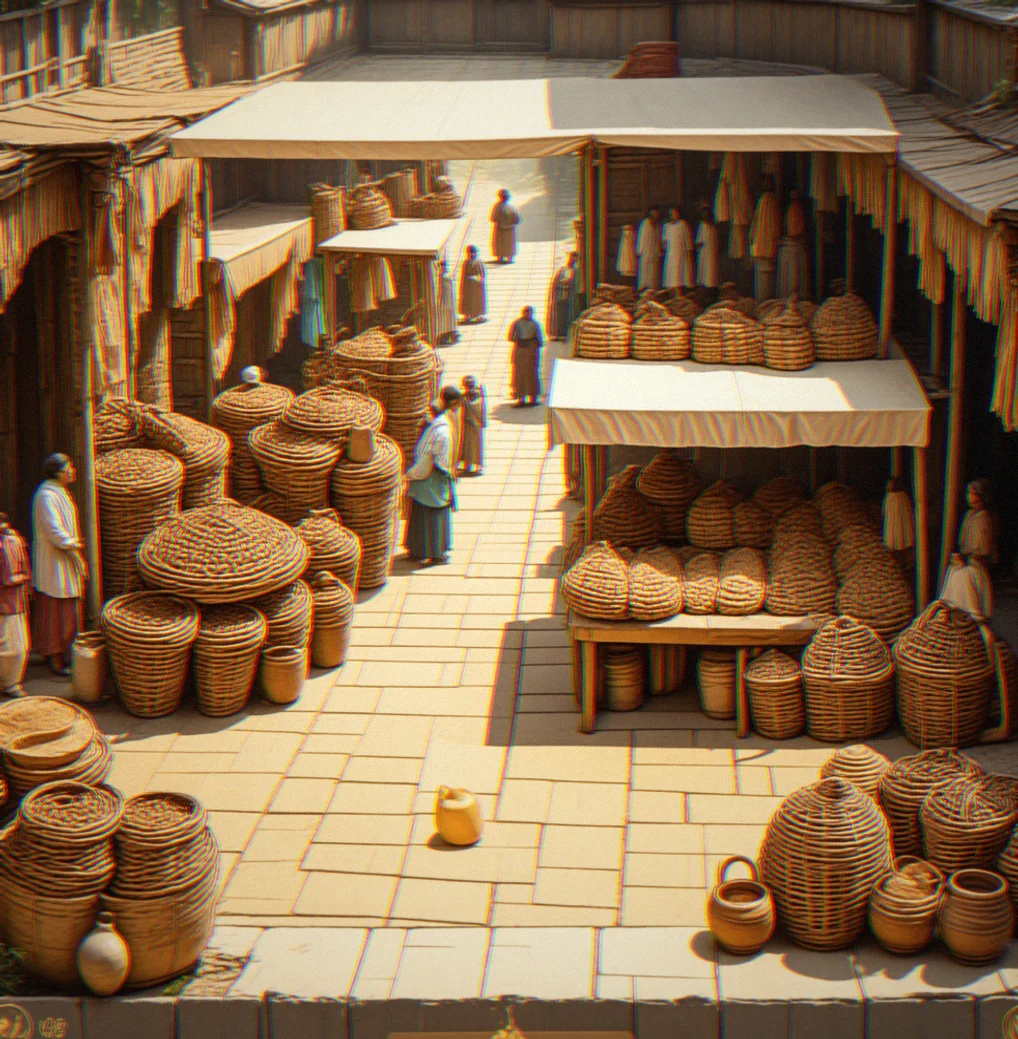
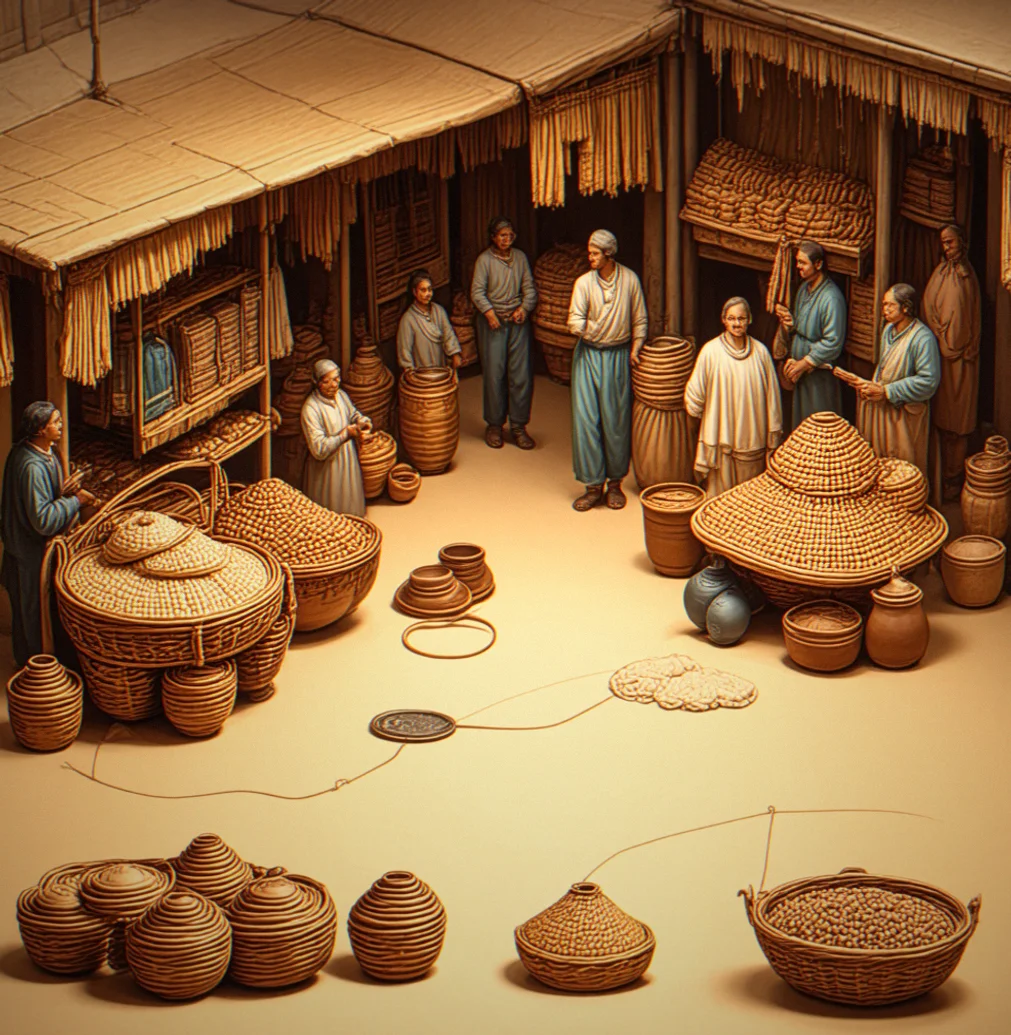
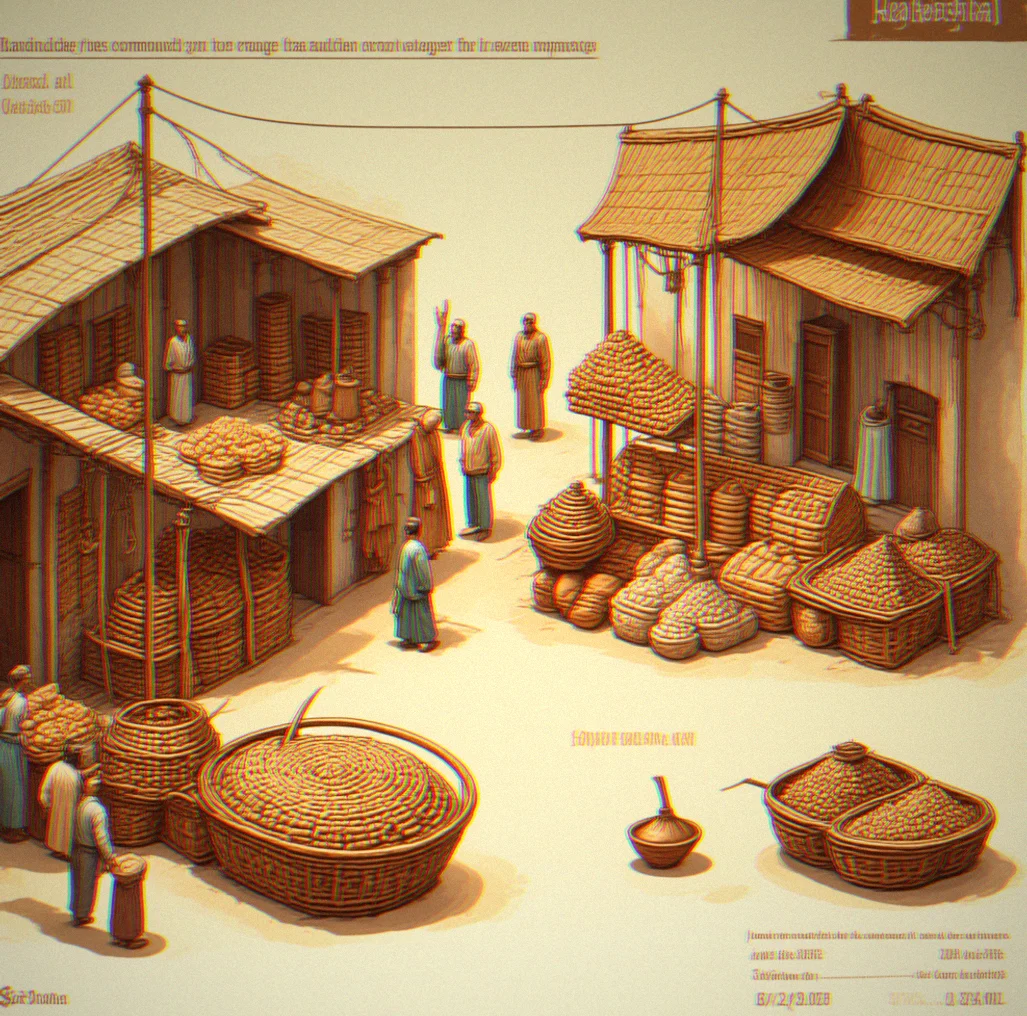
A hand-crafted bazaar with merchant stalls, storage areas, and trade routes

Buy up 200 units of spice from the market's only supplier and watch what happens next. Within a couple of turns, that NPC bumps their price up by around 12%. They're not mad at you—they're just responding to scarcity. Their algorithm keeps tabs on inventory, watches what competitors are doing, and adjusts prices to pad their profit margin. The cool part is you can see their entire price history. You can figure out what they'll do next. And if you're careful, you can actually force them into a mistake.

Bazaar districts are hand-crafted, which means where a merchant sets up shop actually matters. A spice vendor in the east quarter operates nothing like one camped out in the central plaza. Location changes everything—foot traffic, how many competitors are nearby, how easily supplies flow in and out. Most NPCs specialize in something specific. One might only deal in textiles. Another focuses on metals. They've got limited inventory space. They've got limited capital. They can actually go broke if they overextend themselves, same as you.

The economy keeps moving whether you're ready or not. Prices shift every single turn. Supply dries up. Demand suddenly spikes. An NPC might dump a bunch of inventory at a loss just to clear warehouse space and free up cash. That's your opening. Swoop in and buy when they panic. Undercut them on price when they're stuck holding stock nobody wants. It's all about timing.

12
how much an NPC's price can swing per transaction (%)
4
tradeable commodity types
100
hand-crafted bazaar districts (every one is unique)
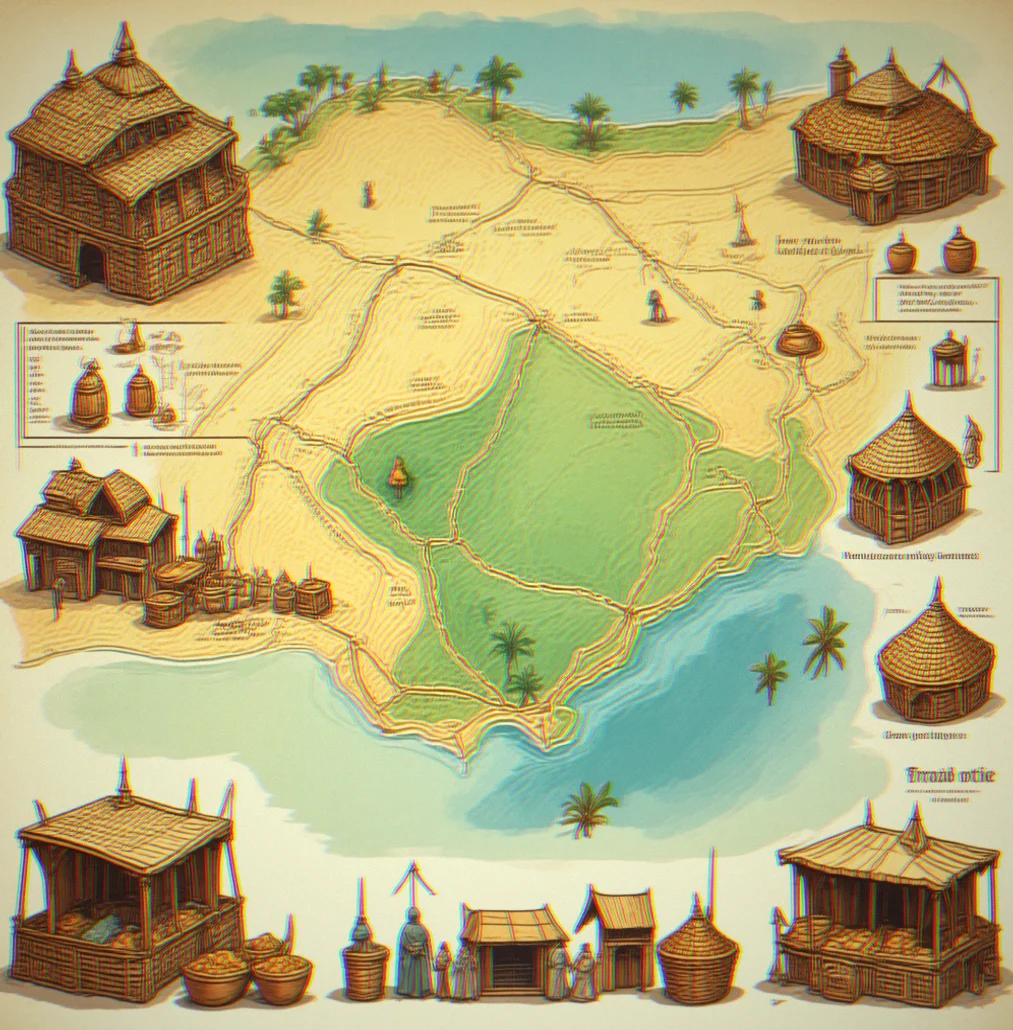
Hand-drawn bazaar district map showing merchant stall placements and trade routes

Hand-crafted bazaar districts

A hundred unique bazaar layouts, all designed by actual people instead of churned out randomly. Where a stall sits matters—the east quarter trades completely differently from the central plaza. That geography forces you to make real strategic choices.

Real-time commodity price chart with NPC merchant price adjustments

Dynamic NPC pricing

Every turn, merchants recalculate prices based on what's in stock, what people want, and how full their warehouses are. You'll see an NPC panic-dump spice at a loss when their storage maxes out, or suddenly jack up textile prices when supply dries up. And if you're paying attention, you can move faster than they can react.

Four commodity icons representing spices, textiles, metals, and ceramics

Four tradeable commodity types

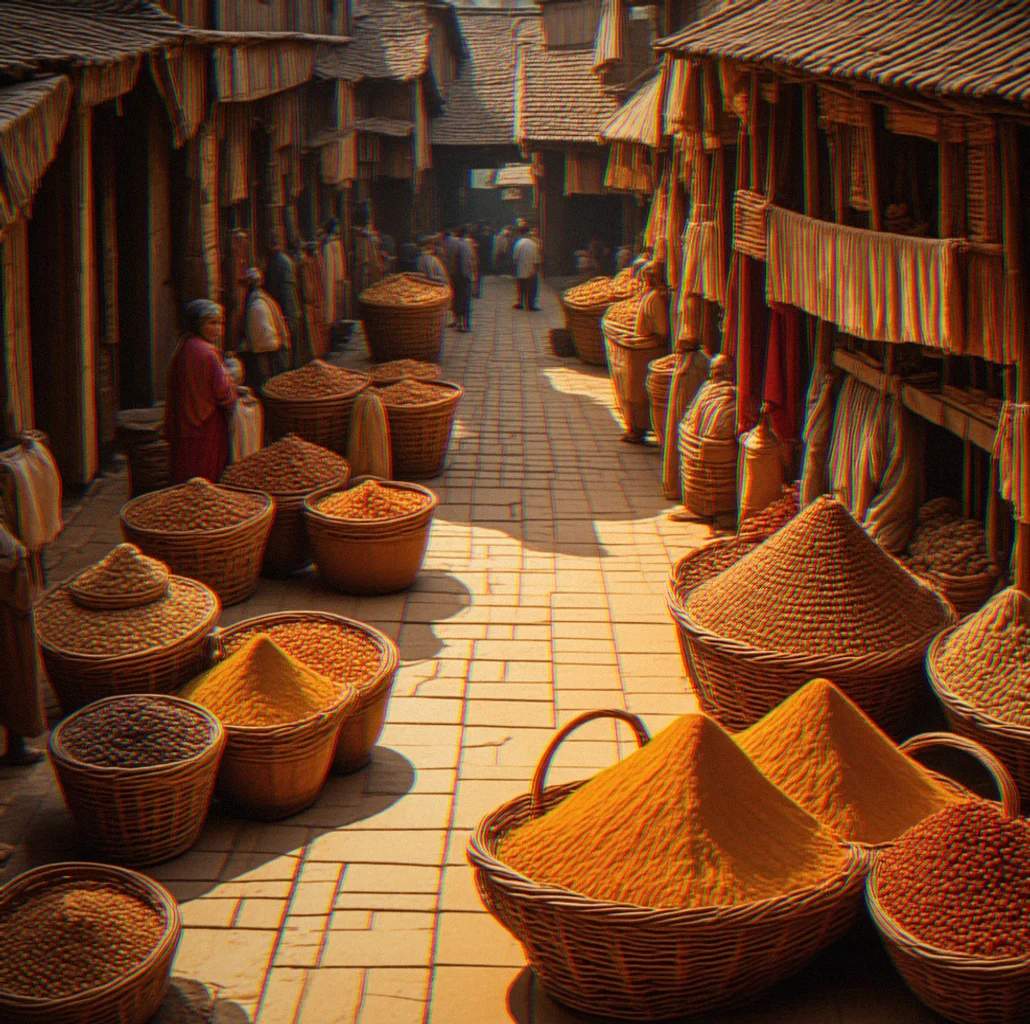
Spices, textiles, metals, ceramics. Each one has its own supply patterns, seasonal ups and downs, and storage fees. So you're not just looking for the obvious buy-low-sell-high play—you're juggling four markets at once, watching where the real inefficiencies hide and moving your money there.

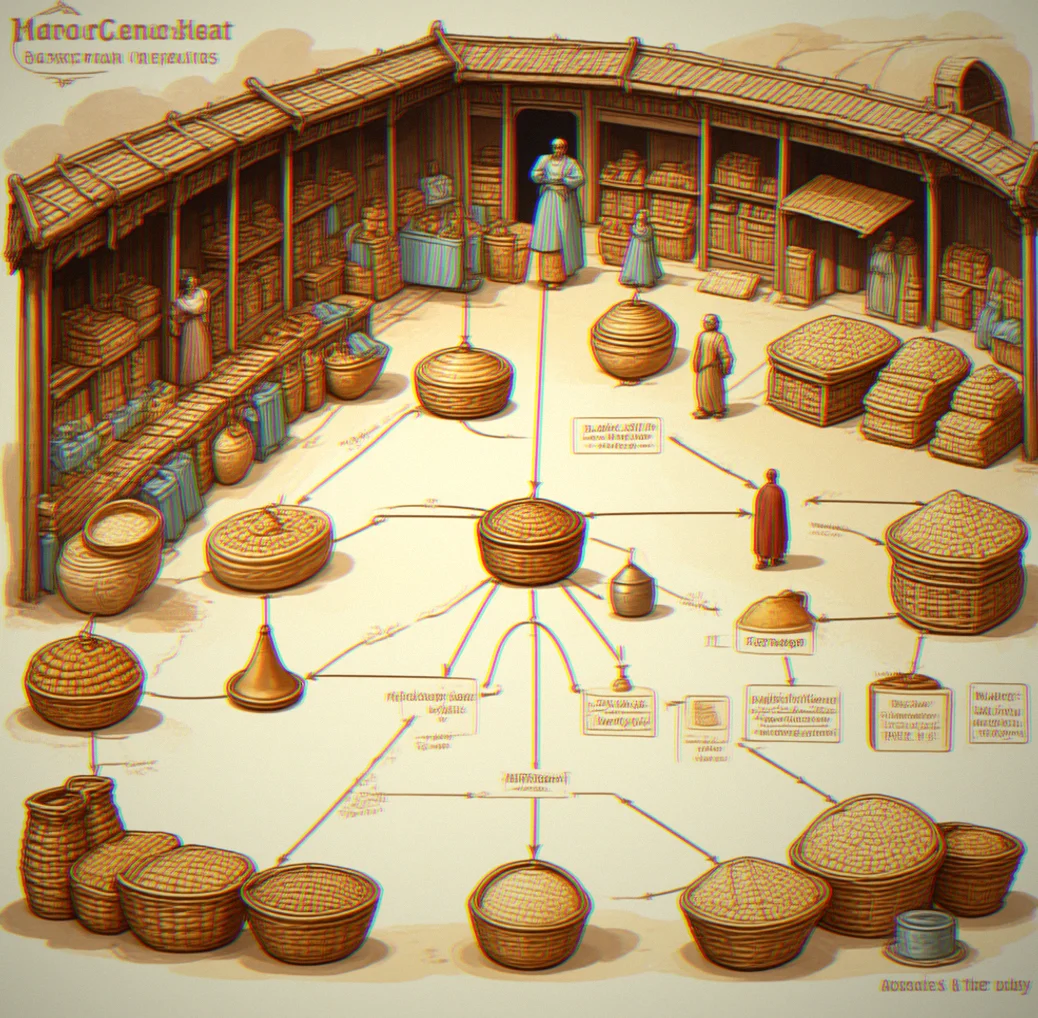
Supply chain diagram showing warehouse storage, transport routes, and capital flow

Supply chain constraints that actually bite

Storing stuff costs money. Borrowing costs interest. Moving goods between districts takes turns. You can't just grab everything and sit on it waiting for prices to spike—that strategy falls apart. Every unit of capital locked up in your warehouse is money you can't use elsewhere, and meanwhile your competitors are actually trading.

Mechanics & strategy

How trades actually work in Widemarket

Pick a merchant, pick a commodity, pick how much you want. They run their algorithm and give you a rate based on what the market's doing right now. You get their stock levels, what they've charged for the last 8 turns, and the demand signal across the whole bazaar. Take it or leave it. No back-and-forth, no haggling screen—just the numbers and your call. Think the price drops tomorrow? Pass. Think they'll jack it up? Lock it in now.

Moving goods between districts takes time. Getting a caravan from the east quarter to central plaza is a 2-turn commitment. That matters because your money's stuck in transit and can't go anywhere else, plus everyone can see when your shipment lands. Some players move constantly and eat the transport hit. Others batch shipments together and wait for the right moment.

Every trade eats into what you have left to spend. Move fast and your cash drains. Play it safe and you fall behind.

NPC merchant quote interface showing commodity price, inventory level and 8-turn price history
Trade route map displaying transport routes between bazaar districts with travel time indicators
Player ledger showing capital allocation across active trades, inventory holdings, and reserves
Commodity price ticker showing rapid price fluctuations for spices, textiles and metals

Real-time market pressure

Prices shift every turn based on what's actually happening in the bazaar. A merchant drowning in copper will slash their rate by about a fifth just to clear stock. Two turns later when supplies dry up, they jack it back up. You're looking at the same information they are—the difference is speed and reading what's coming.

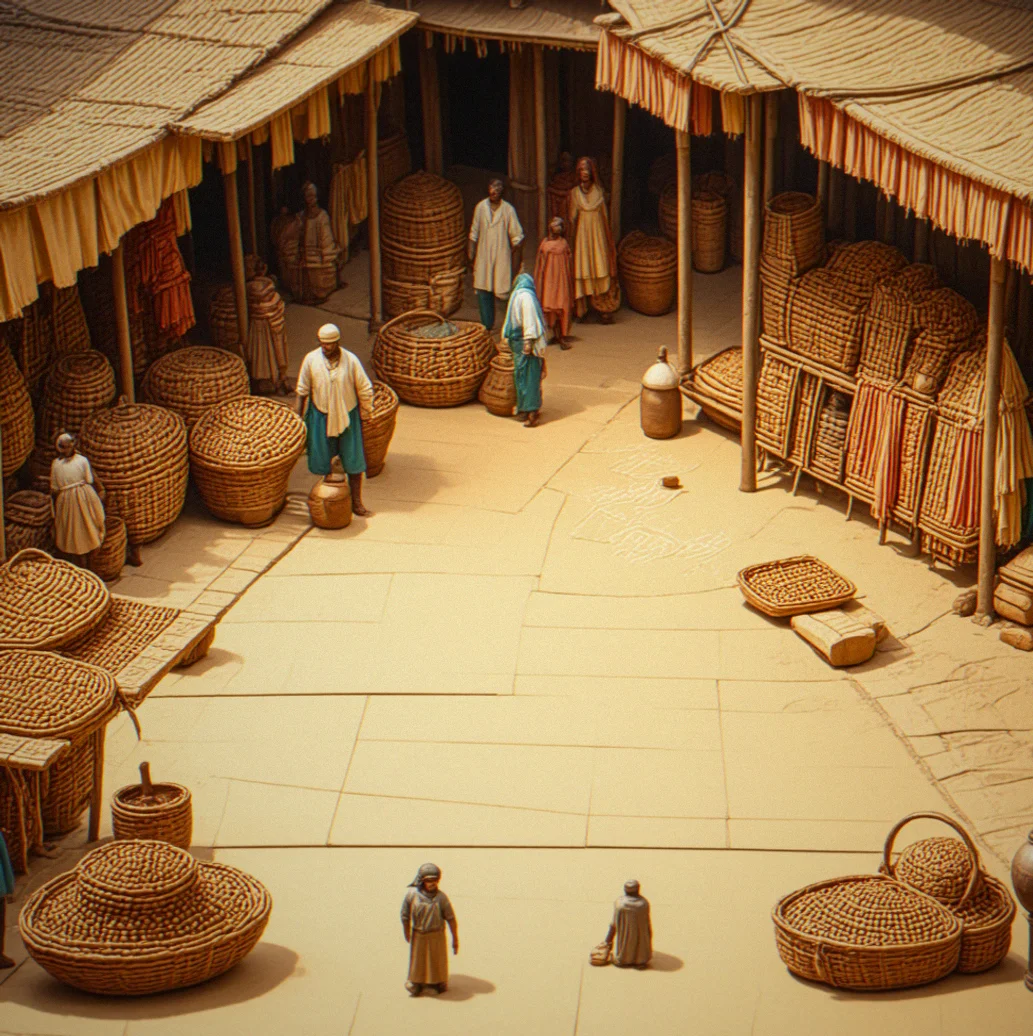
Overhead view of multiple hand-designed bazaar districts with distinct merchant placements

No procedural generation

Every bazaar is hand-crafted. Merchant placement, district layouts and trade route distances are deliberate. A spice vendor tucked in the corner stall operates differently than one sitting on the main drag. Geography forces real strategic choices—that's not window dressing.

Player account balance sheet showing storage fees, loan interest and capital allocation

Capital scarcity is the real constraint

Storage drains your wallet. Moving goods takes both time and cash. Loans come with interest that piles up the longer you hold them. You can't just buy everything and sit tight waiting for a price spike—your money dries up first. The real skill is spotting where markets are inefficient and pushing capital toward the fastest turnarounds.

NPC merchant decision tree showing pricing logic and inventory management system

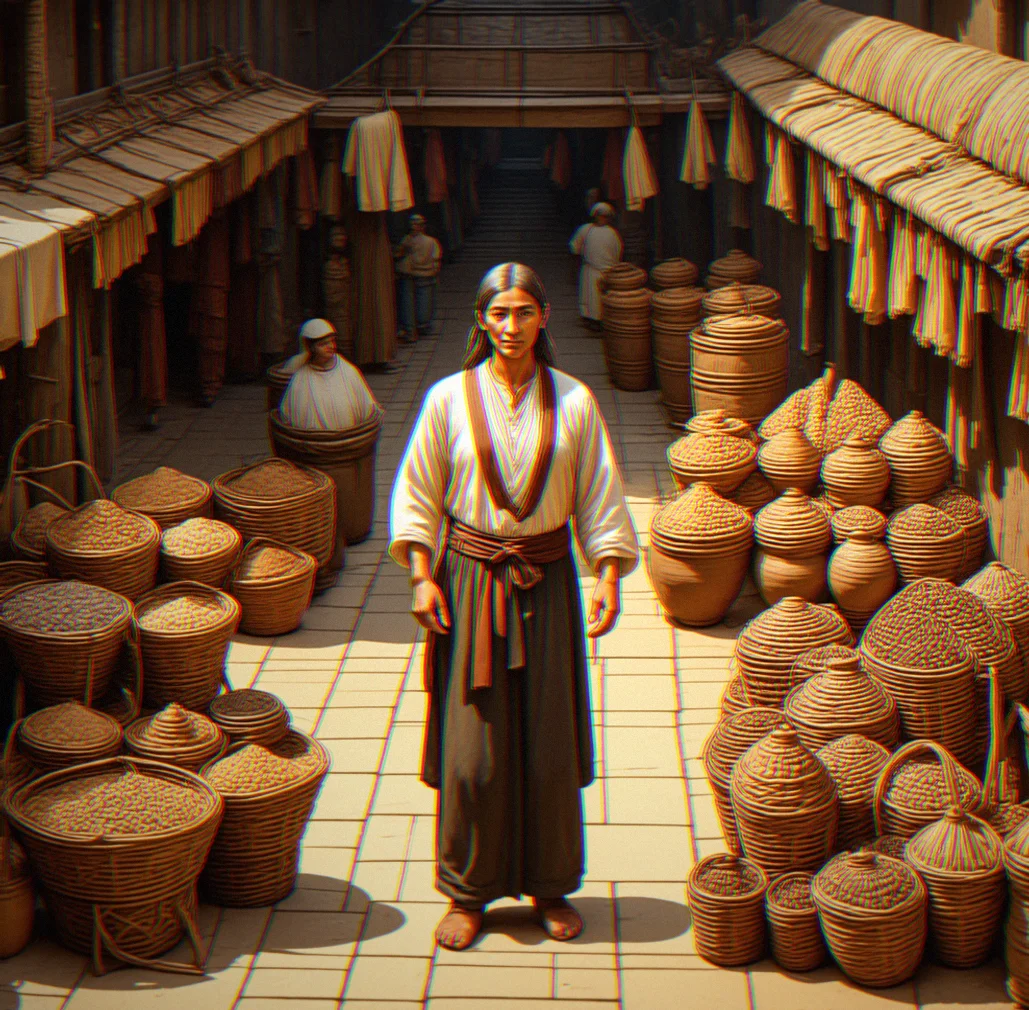
NPC merchants with actual AI

These aren't dumb vendors. They track their own inventory, watch what competitors are doing, and shift prices based on market conditions. They mess up and lose money. A smarter player can outthink them.

Multi-player trading dashboard showing competing merchants' market positions and price strategies

Emergent competition

Other players (or AI opponents) are chasing their own supply chain angles. One person locks down ceramic production. Someone else floods textiles with cheap imports. Another's hoarding metals, waiting for scarcity to drive prices up. Then a fourth player spots an opening nobody else caught yet—grabbing undervalued spices and textile scraps and ceramics from regional markets, bundling them together, moving them where demand's about to explode before anyone else reacts.

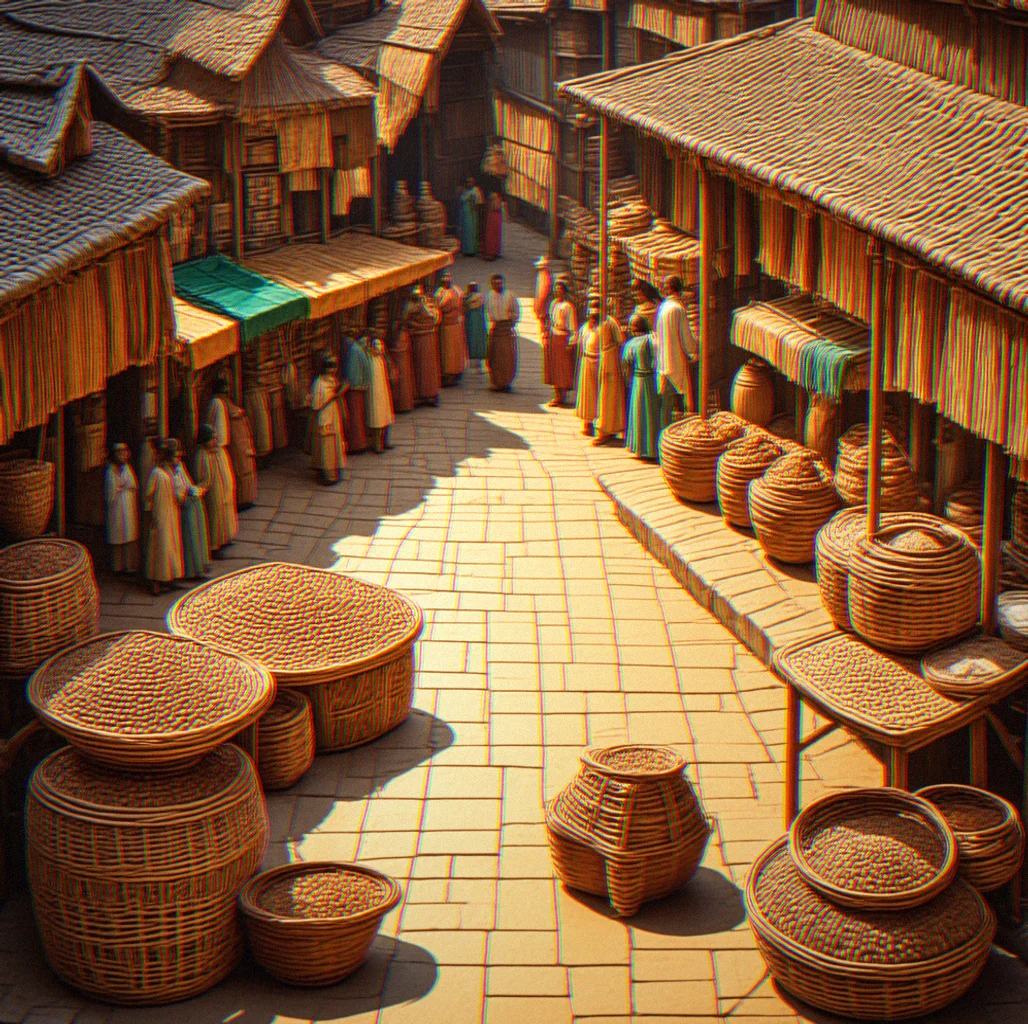
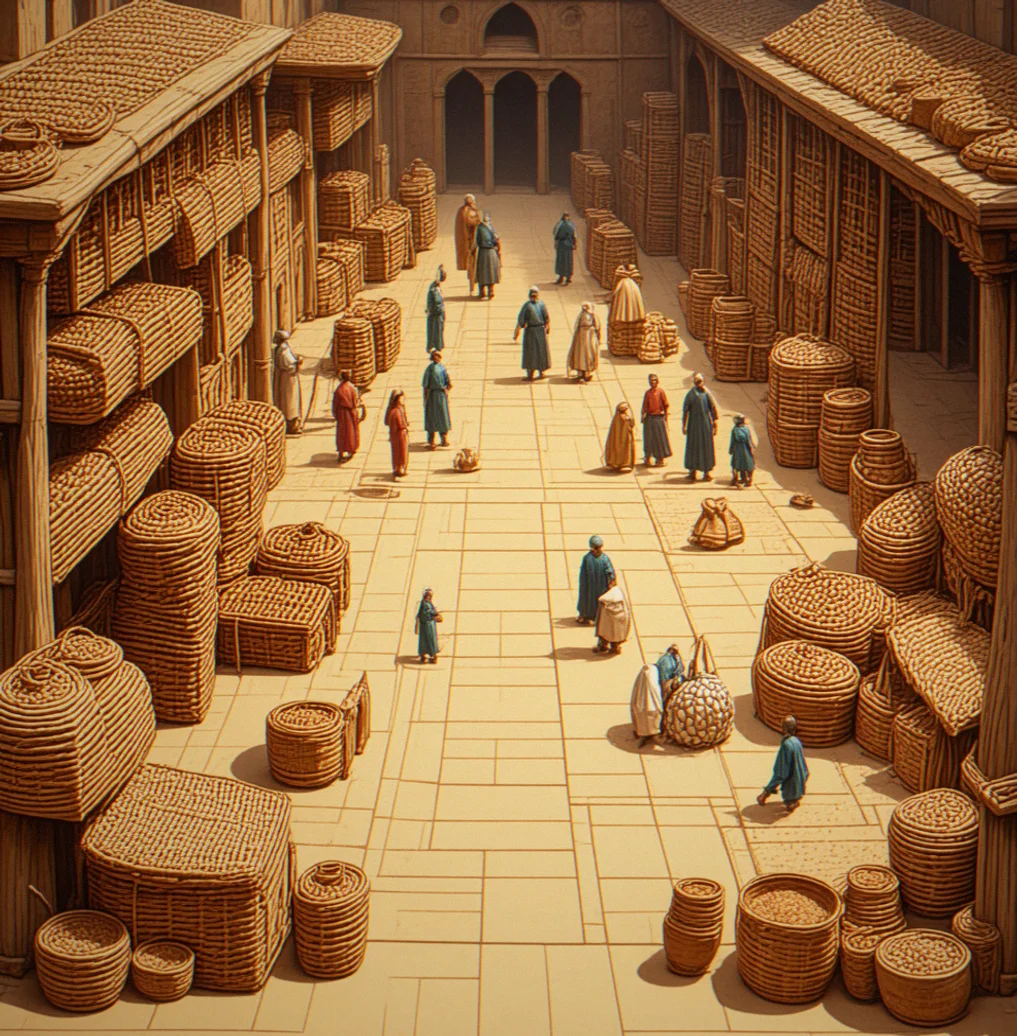
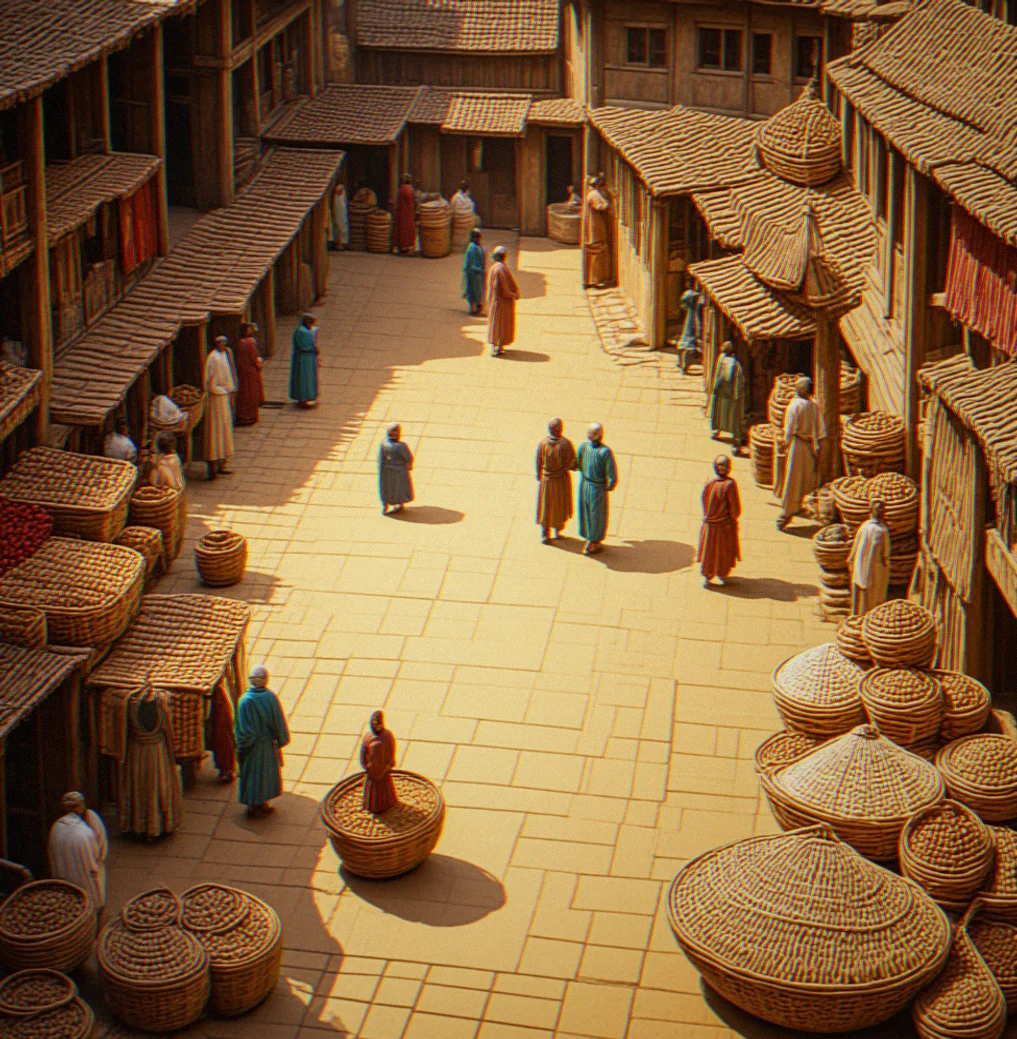
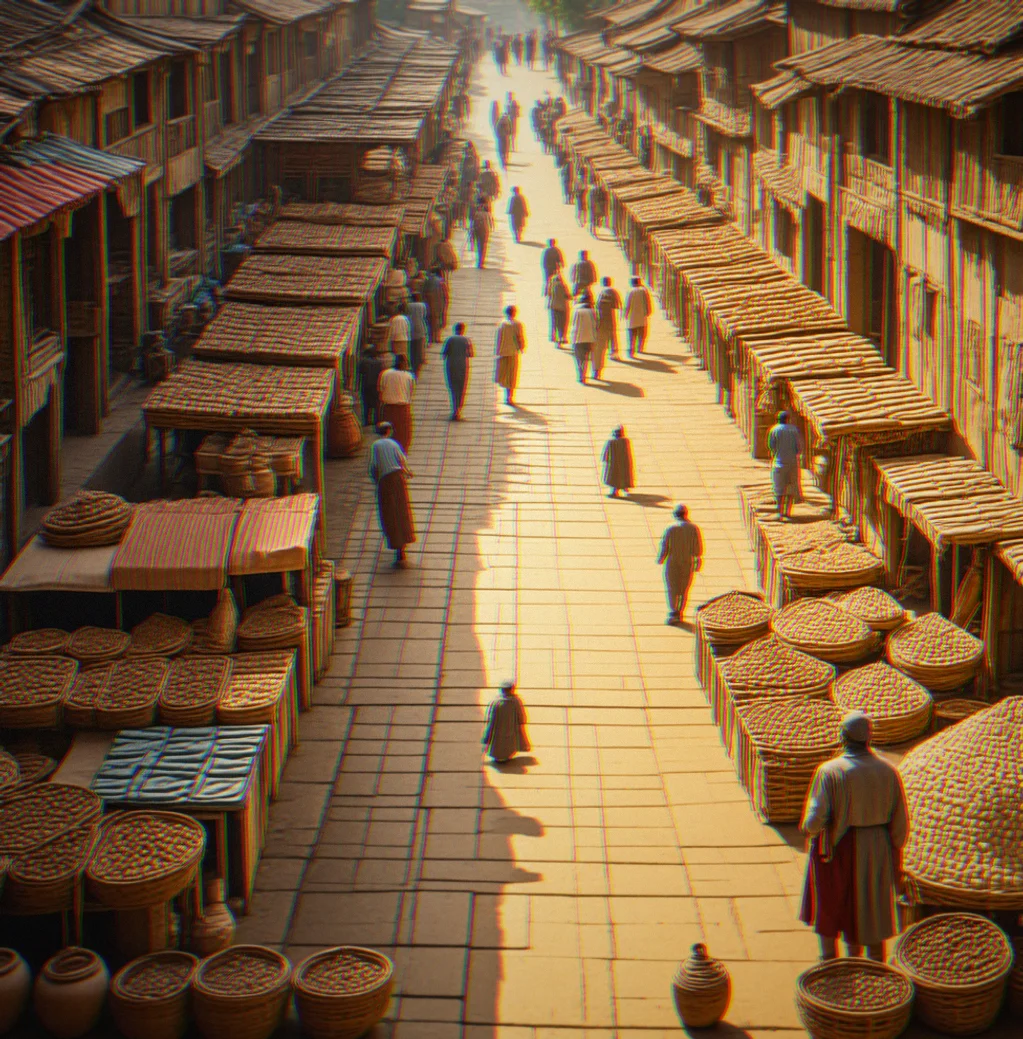
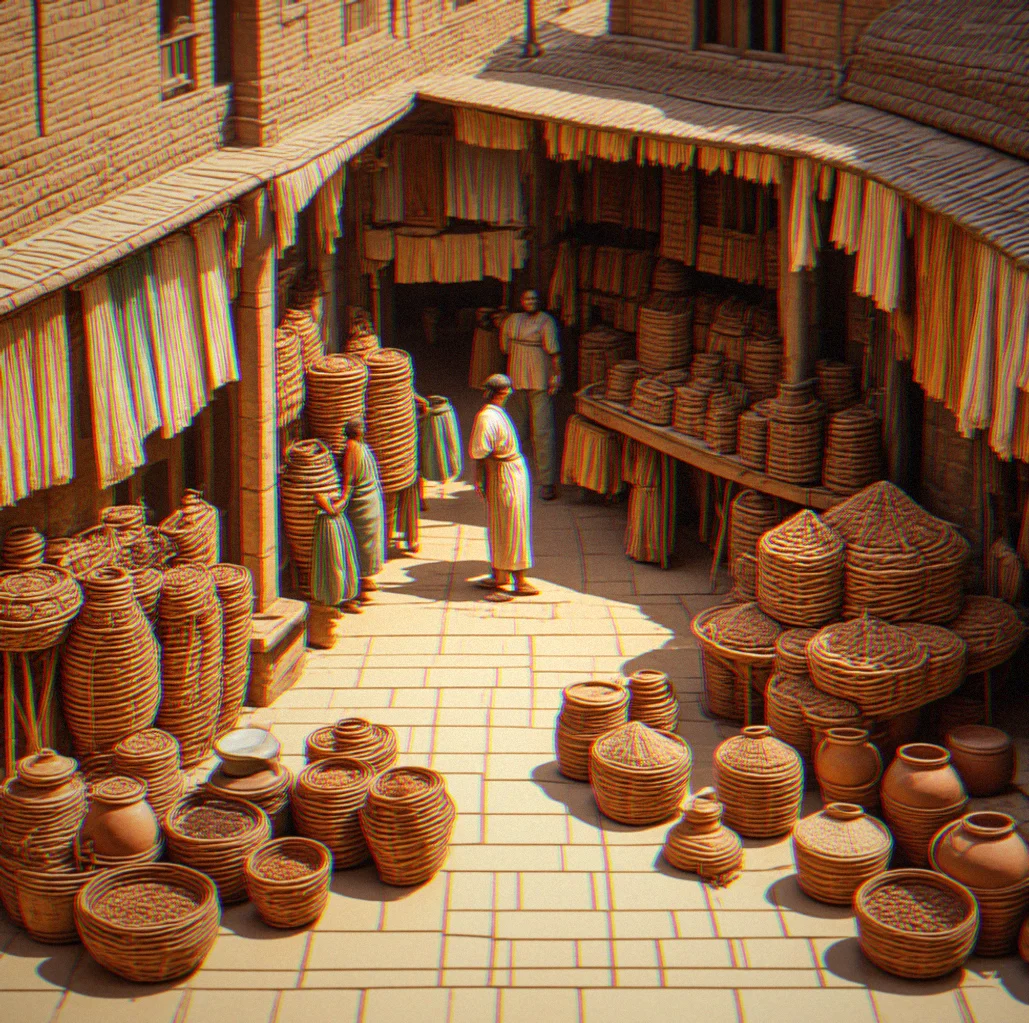
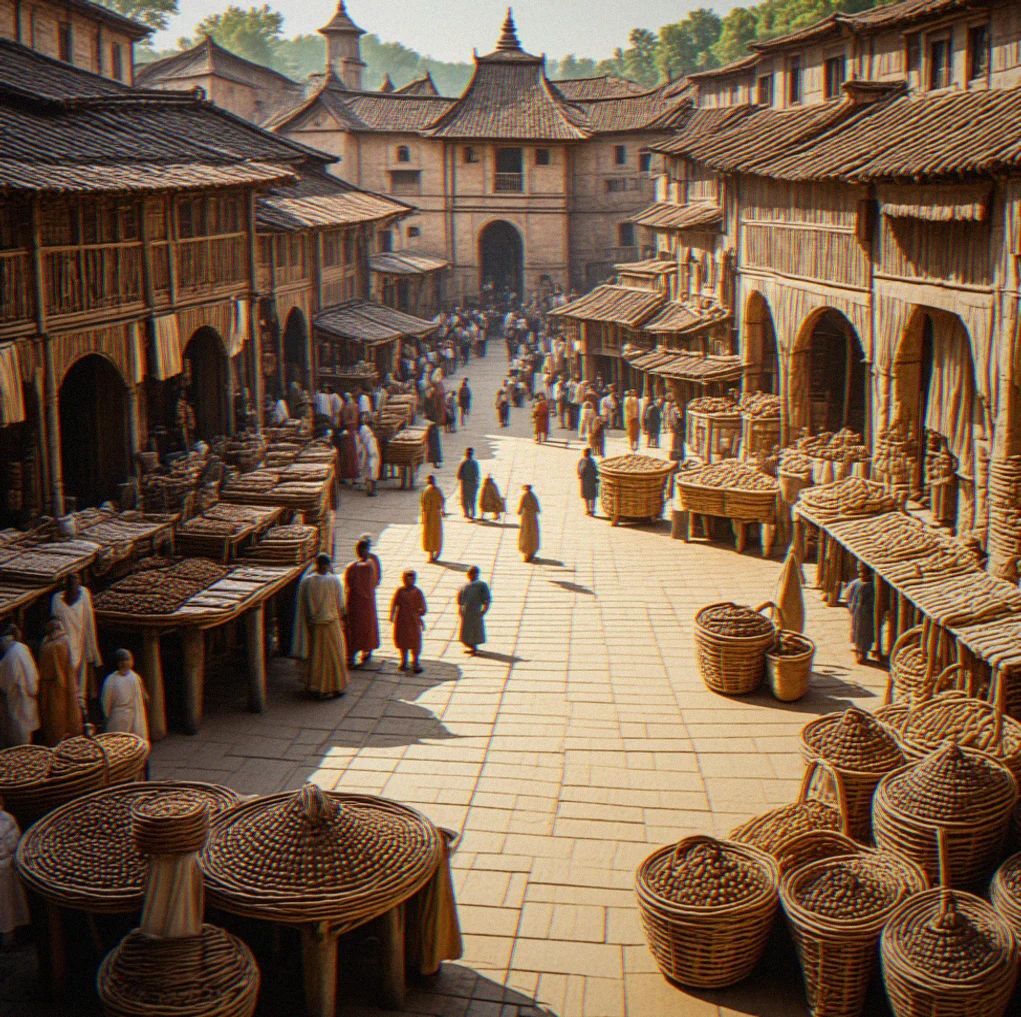
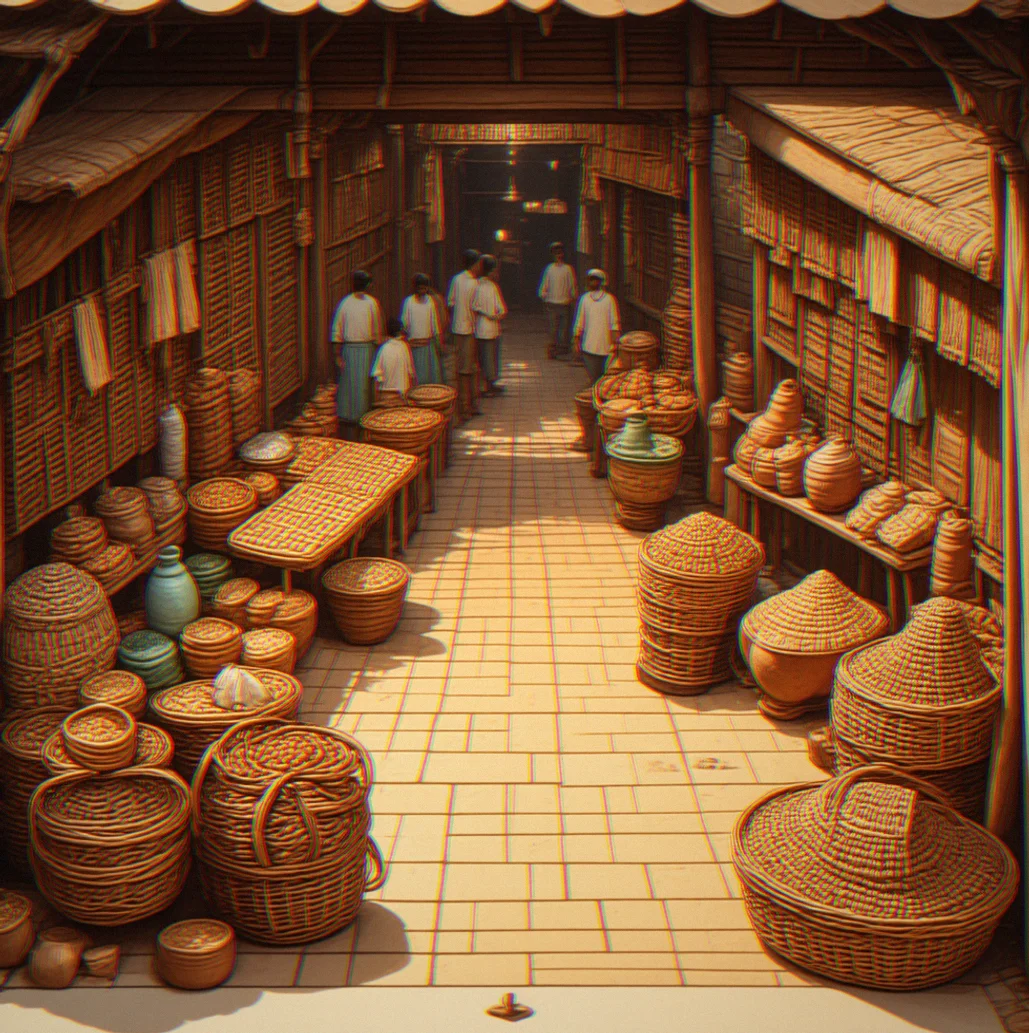
Bird's eye view of a busy bazaar with merchant stalls selling different goods and customers walking around
NPC merchant screen where you adjust prices and watch supply and demand shift for spices in real time
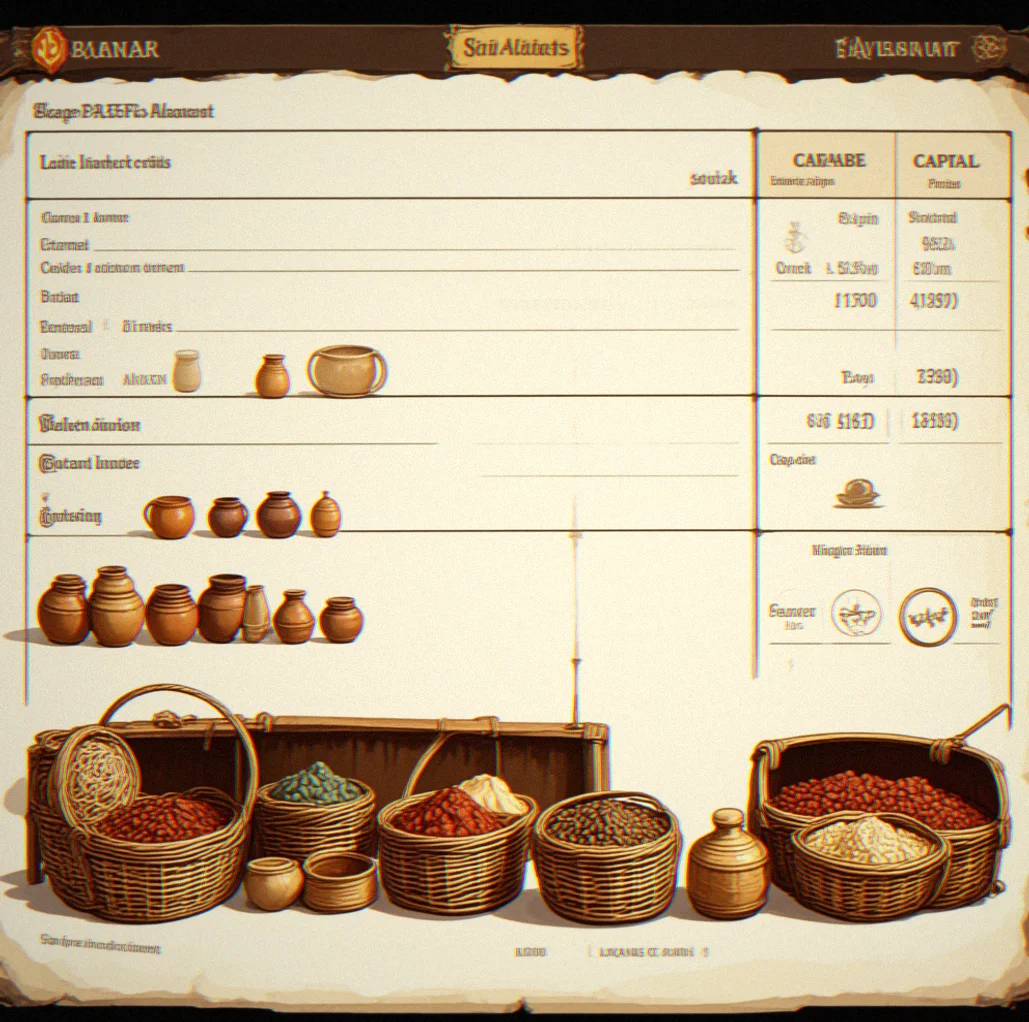
Your inventory showing trades you've made, what's in storage, and how much money you've put into each commodity
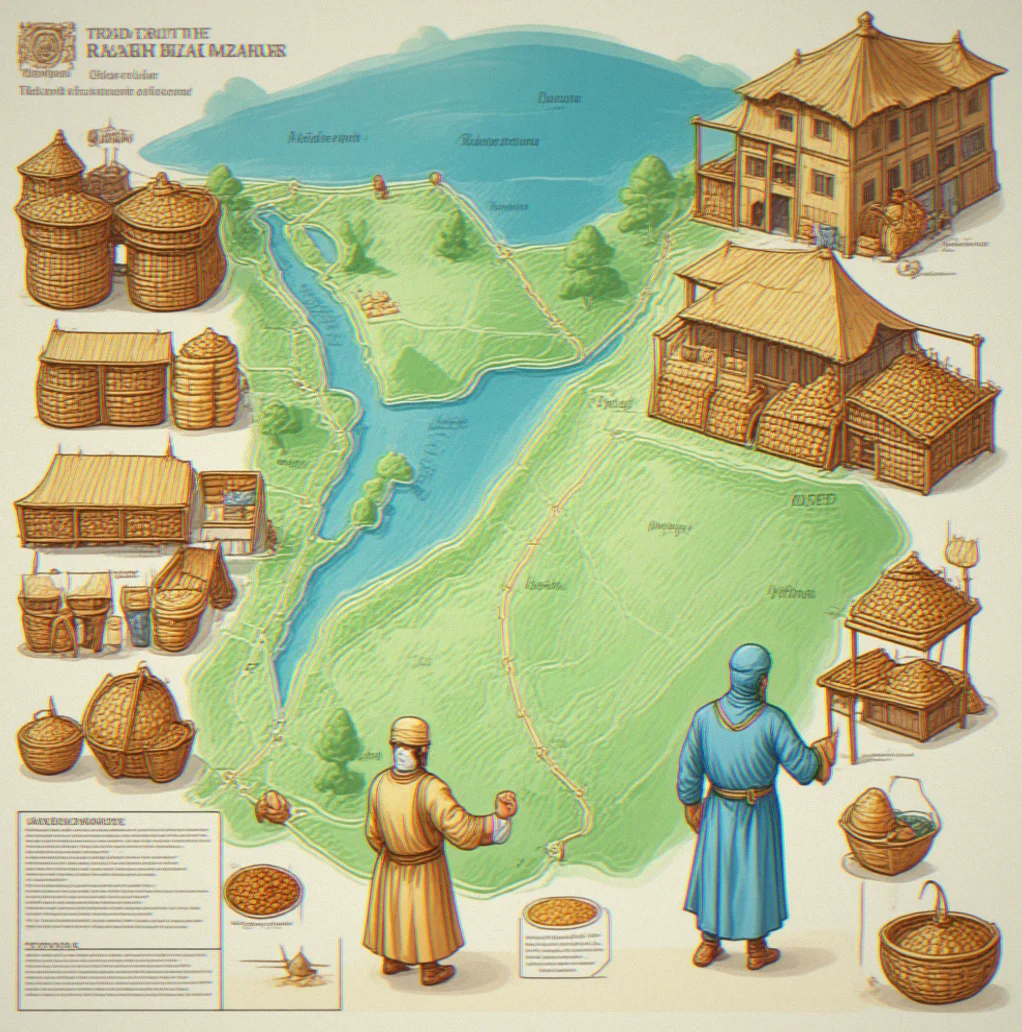
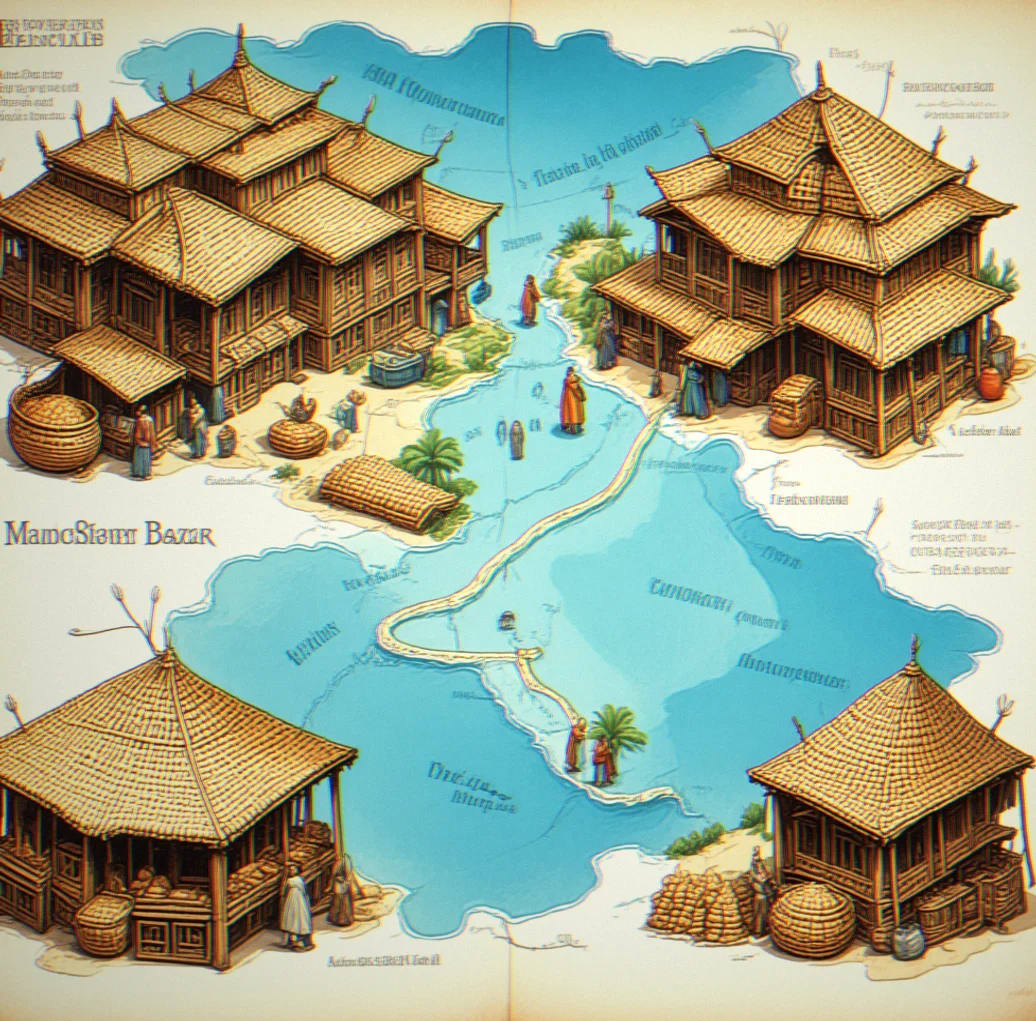
Trade route map across several districts with caravan paths marked and how long each trip takes
Price chart for ceramics over the last dozen turns showing how wild the market swings Have been
Rankings showing where players stand by toatl wealth, how much textile business they control, and overall trading activity
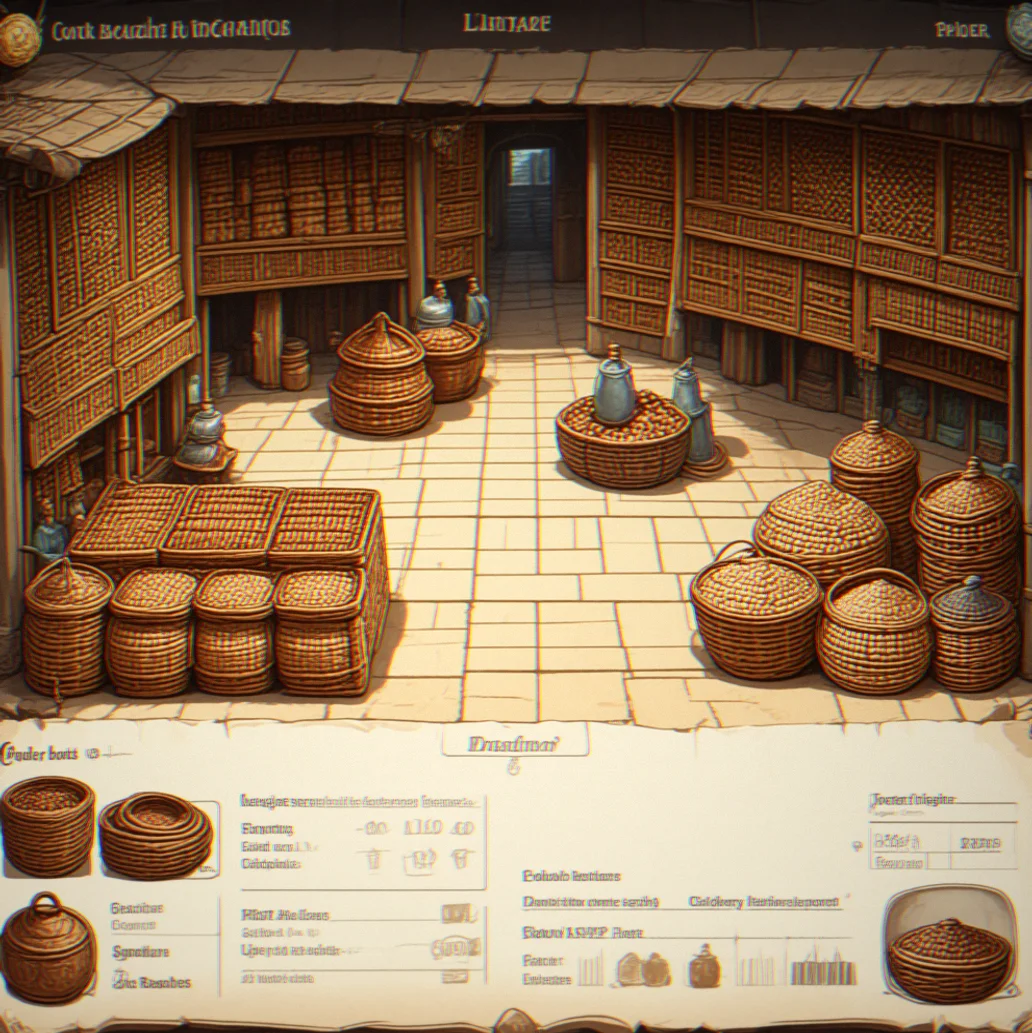
Storage area packed with metals and textiles, showing how full it is and what you're paying to keep it
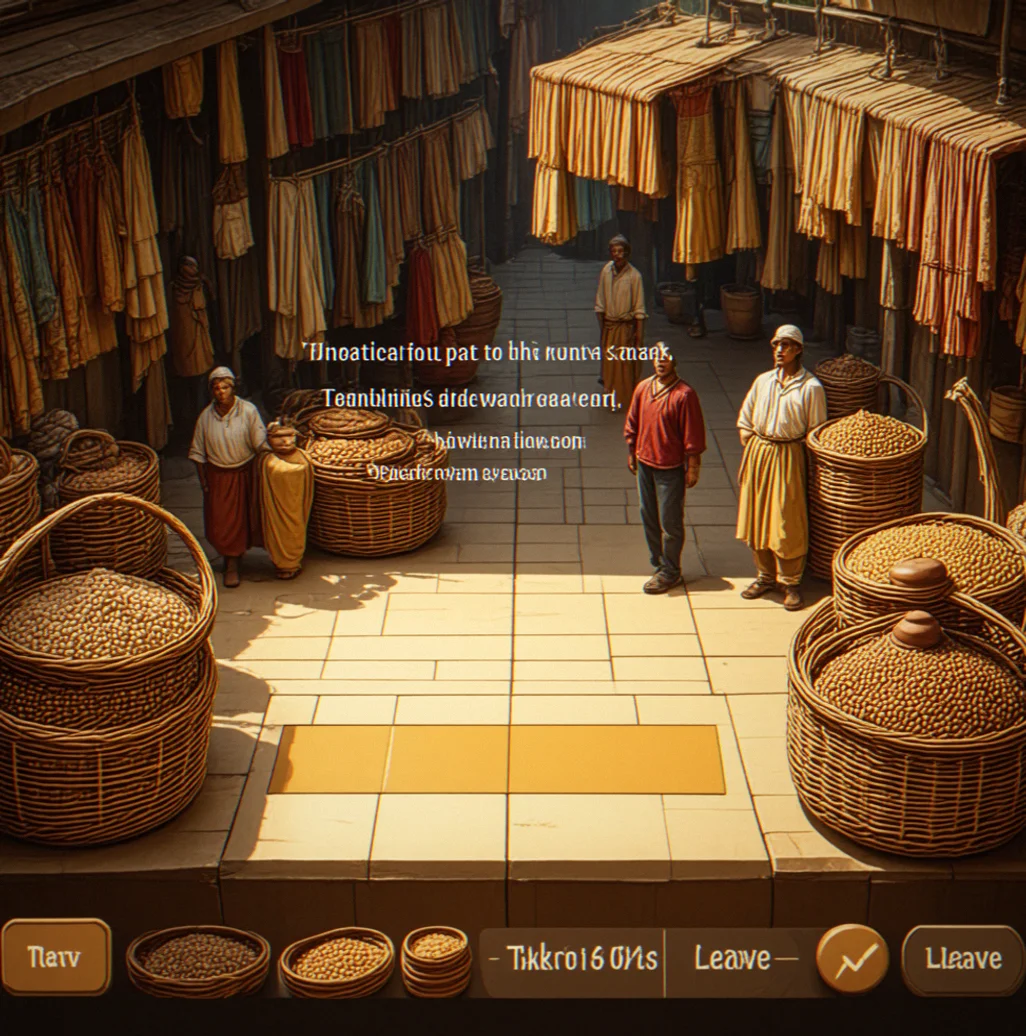
An NPC offers you a trade with the price history visible so you can decide whether to take it

Gameplay Showcase — 10 Slides

Slide 1 of 10
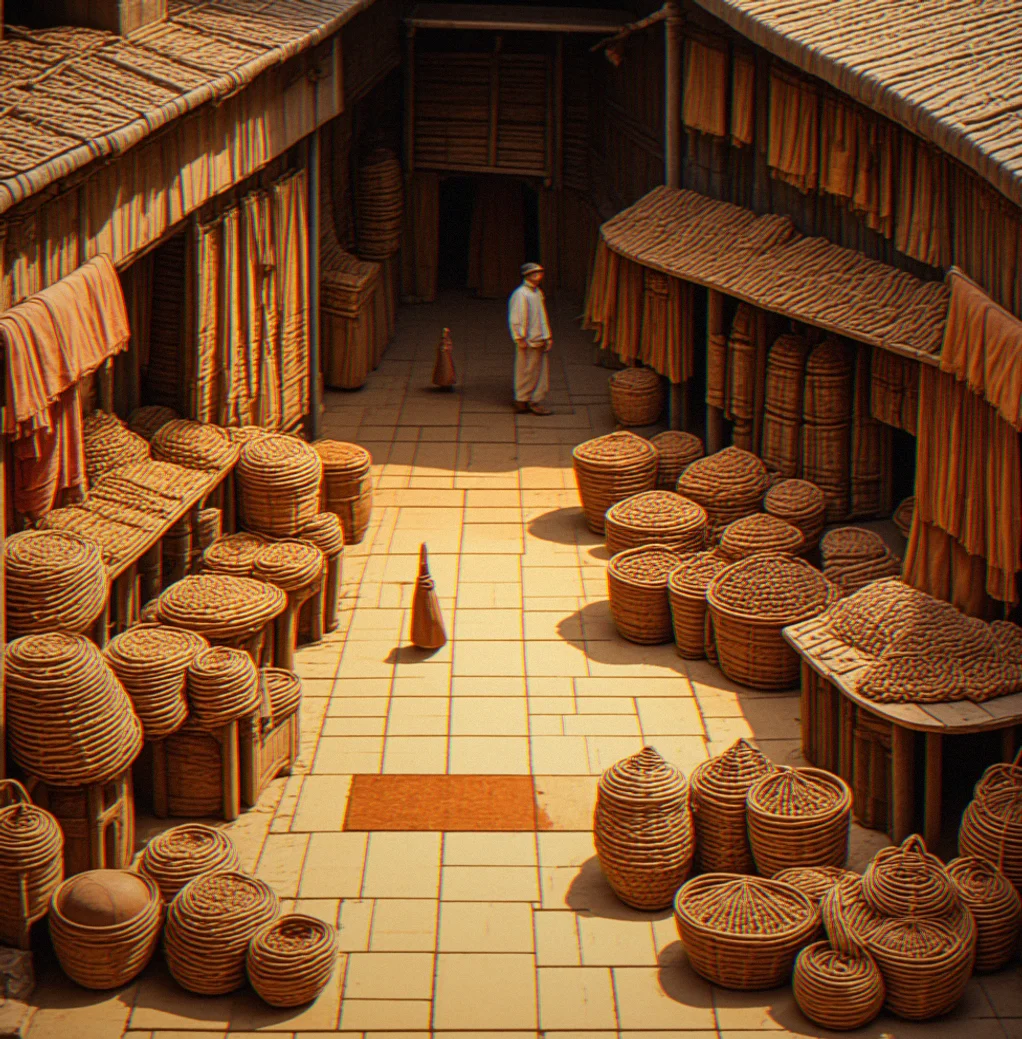
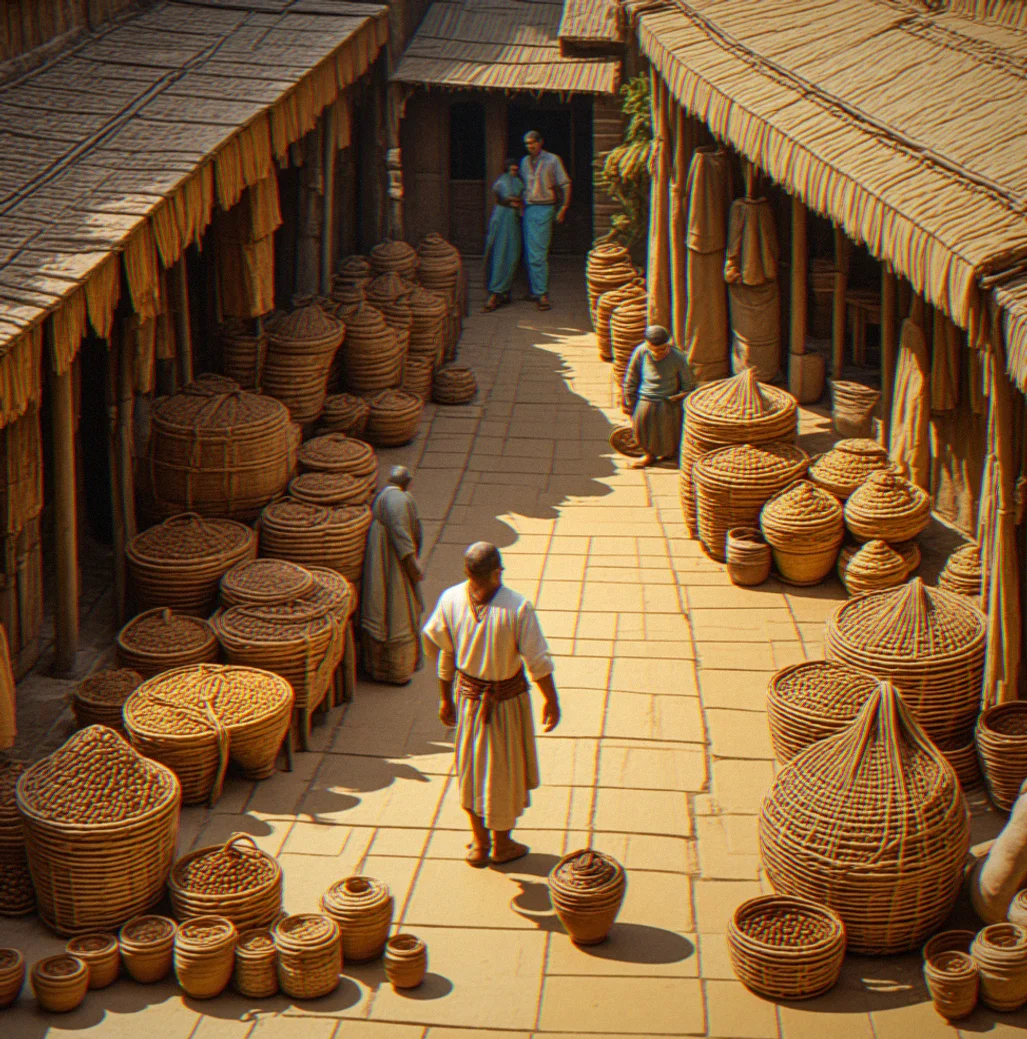
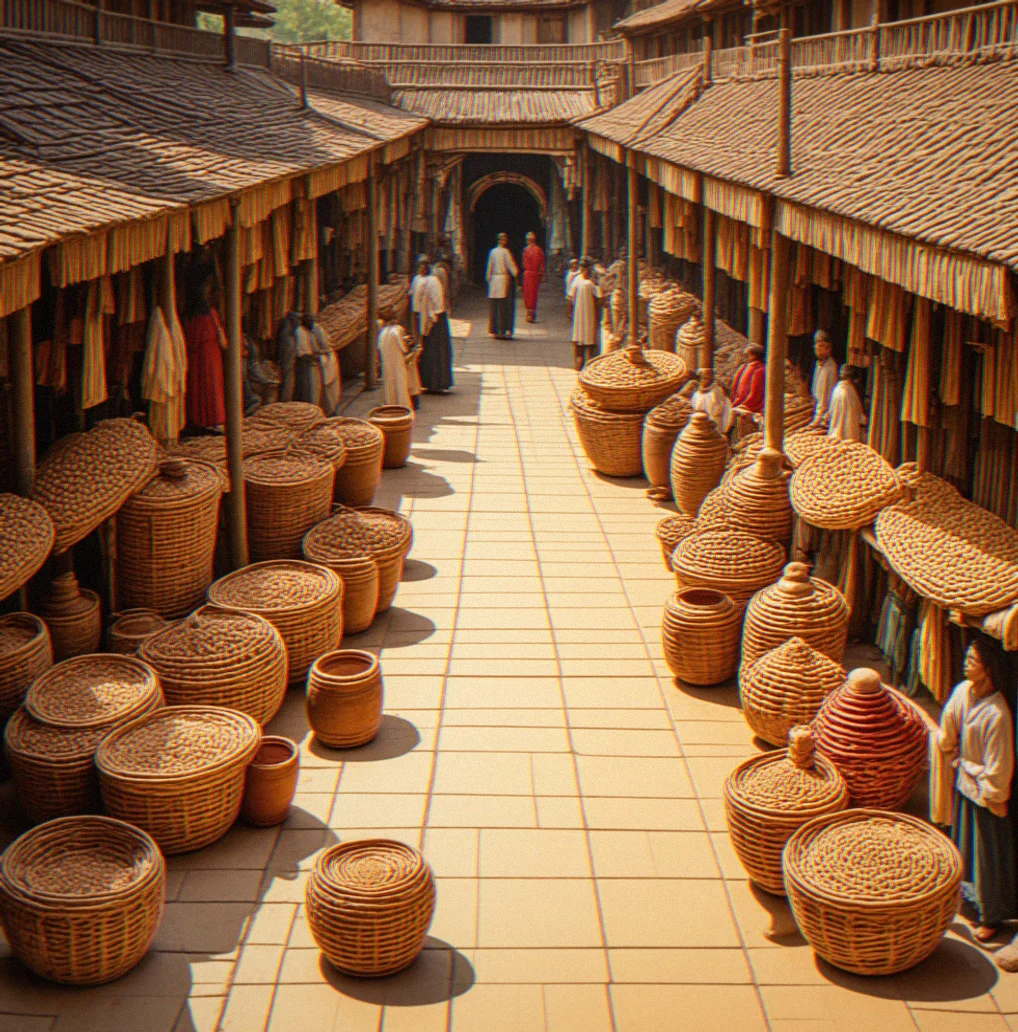
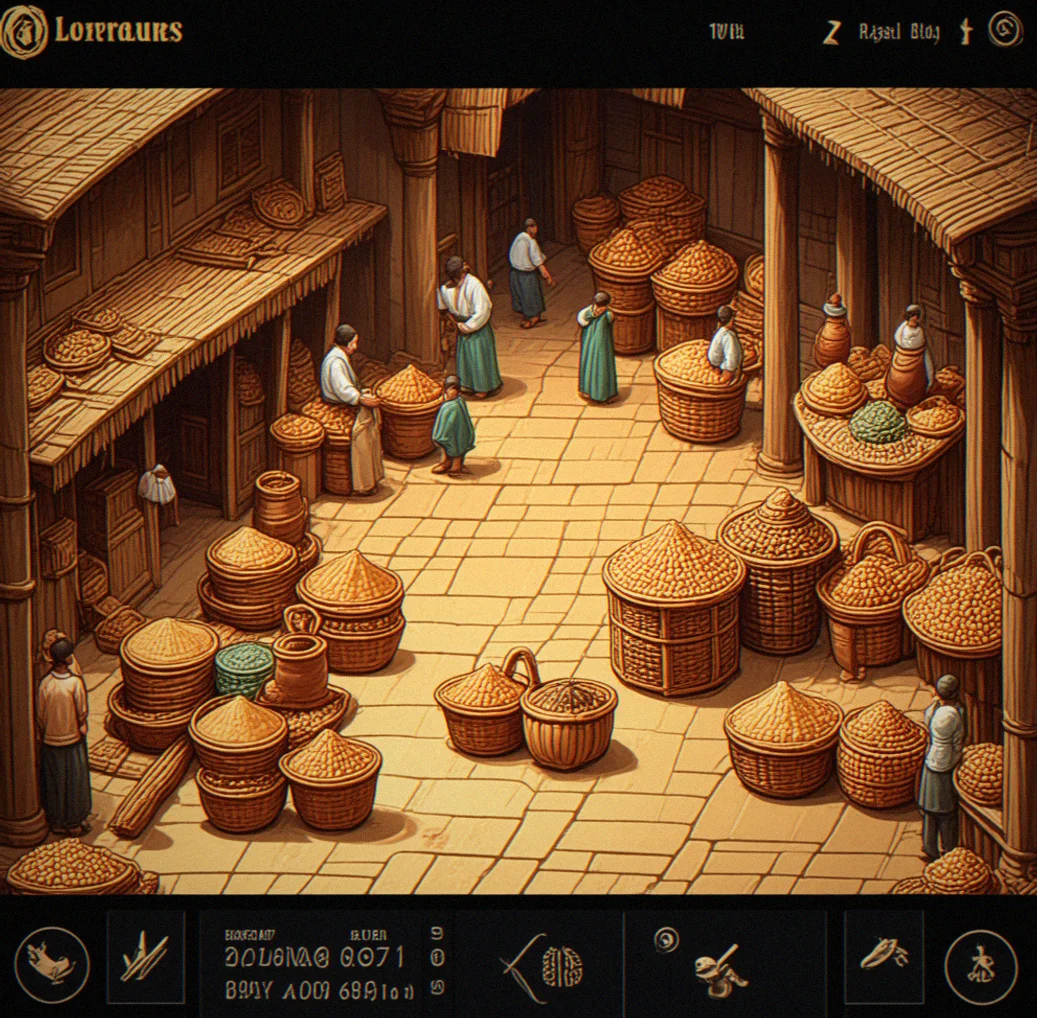
A bustling bazaar district you can actually see yourself navigating, with a dozen merchant stalls clustered around a central plaza and trade goods spread across wooden tables

A bustling bazaar district you can actually see yourself navigating, with a dozen merchant stalls clustered around a central plaza and trade goods spread across wooden tables

Slide 2 of 10
Spice prices climbing in real time as stock runs low over the next few turns, displayed on a live ticker

Spice prices climbing in real time as stock runs low over the next few turns, displayed on a live ticker

Slide 3 of 10
A textile merchant's quote screen showing what they're asking, what they have in stock, where prices have been over the past week or so, and buttons to take it or leave it

A textile merchant's quote screen showing what they're asking, what they have in stock, where prices have been over the past week or so, and buttons to take it or leave it

Slide 4 of 10
Your ledger laying out how much money you've got tied up in active trades, what's sitting in your warehouse (worth around twenty-four hundred gold), and what's liquid

Your ledger laying out how much money you've got tied up in active trades, what's sitting in your warehouse (worth around twenty-four hundred gold), and what's liquid

Slide 5 of 10
A map connecting four different bazaar districts with trade routes, showing how long caravans take to move goods between them and where the supply chain gets clogged

A map connecting four different bazaar districts with trade routes, showing how long caravans take to move goods between them and where the supply chain gets clogged

Slide 6 of 10
Charts tracking commodity prices over roughly two weeks of gameplay, including a sudden shortage in metals and what happened when the ceramic market crashed

Charts tracking commodity prices over roughly two weeks of gameplay, including a sudden shortage in metals and what happened when the ceramic market crashed

Slide 7 of 10
Inside a warehouse with bolts of fabric stacked high, ceramic crates, sacks of spice and a running cost that eats about eight percent of your stored value each turn

Inside a warehouse with bolts of fabric stacked high, ceramic crates, sacks of spice and a running cost that eats about eight percent of your stored value each turn

Slide 8 of 10
Five players ranked by how much they're worth, with the leader sitting on most of the ceramic supply and a net worth somewhere north of eight thousand gold

Five players ranked by how much they're worth, with the leader sitting on most of the ceramic supply and a net worth somewhere north of eight thousand gold

Slide 9 of 10
A caravan moving goods from the eastern bazaar toward the center, with a progress bar showing a couple of turns left on the journey

A caravan moving goods from the eastern bazaar toward the center, with a progress bar showing a couple of turns left on the journey

Slide 10 of 10
The moment you have to decide: someone's offering you a hundred and twenty units of spice at fourteen gold a pop ... do you commit right now or see if the price drops

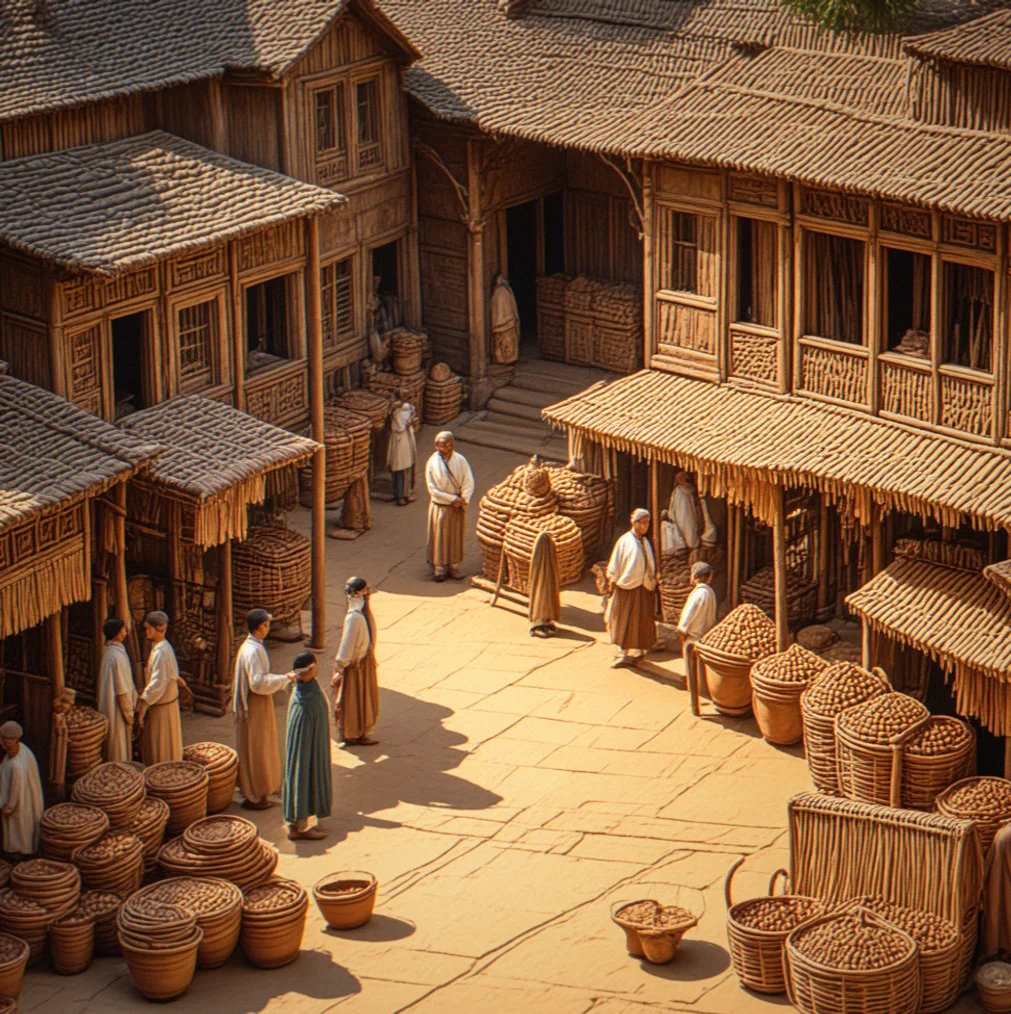
The moment you have to decide: someone's offering you a hundred and twenty units of spice at fourteen gold a pop ... do you commit right now or see if the price drops
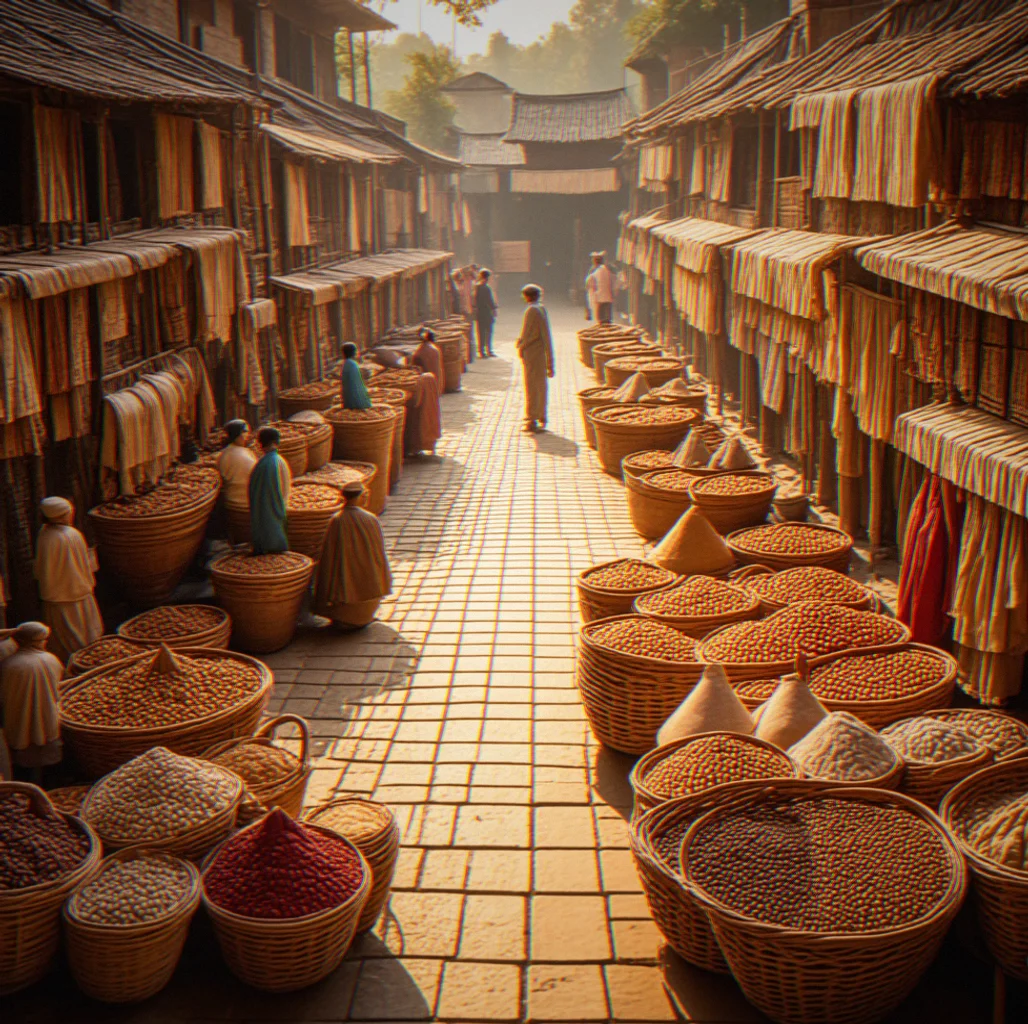
1 / 10
Common questions

FAQ

Widemarket runs on real economic systems. Here's what you need to know before you start trading.

There's depth. Storage costs 8% per turn, so holding dead inventory bleeds capital. Transport between districts takes a couple turns depending on distance, locking your money in transit. NPC merchants have inventory limits and can run out of capital. Supply chain breaks when a competitor corners a resource. You're managing capital constraints, timing, and opportunity cost—not just arbitrage.

Not really. Warehouse several hundred units of ceramics and you're paying significant gold per turn in storage costs alone. Your capital dries up before you ever turn a profit. The economy rewarss players who move fast, not players who sit on inventory.

Every turn. An NPC tracks their inventory in real-time. If they're holding a bunch of spice and you buy most of it, tehir stock drops sharply. Their next price quote reflects that scarcity—usually a noticeable bump. They're not following a script; they're responding to actual market conditions.
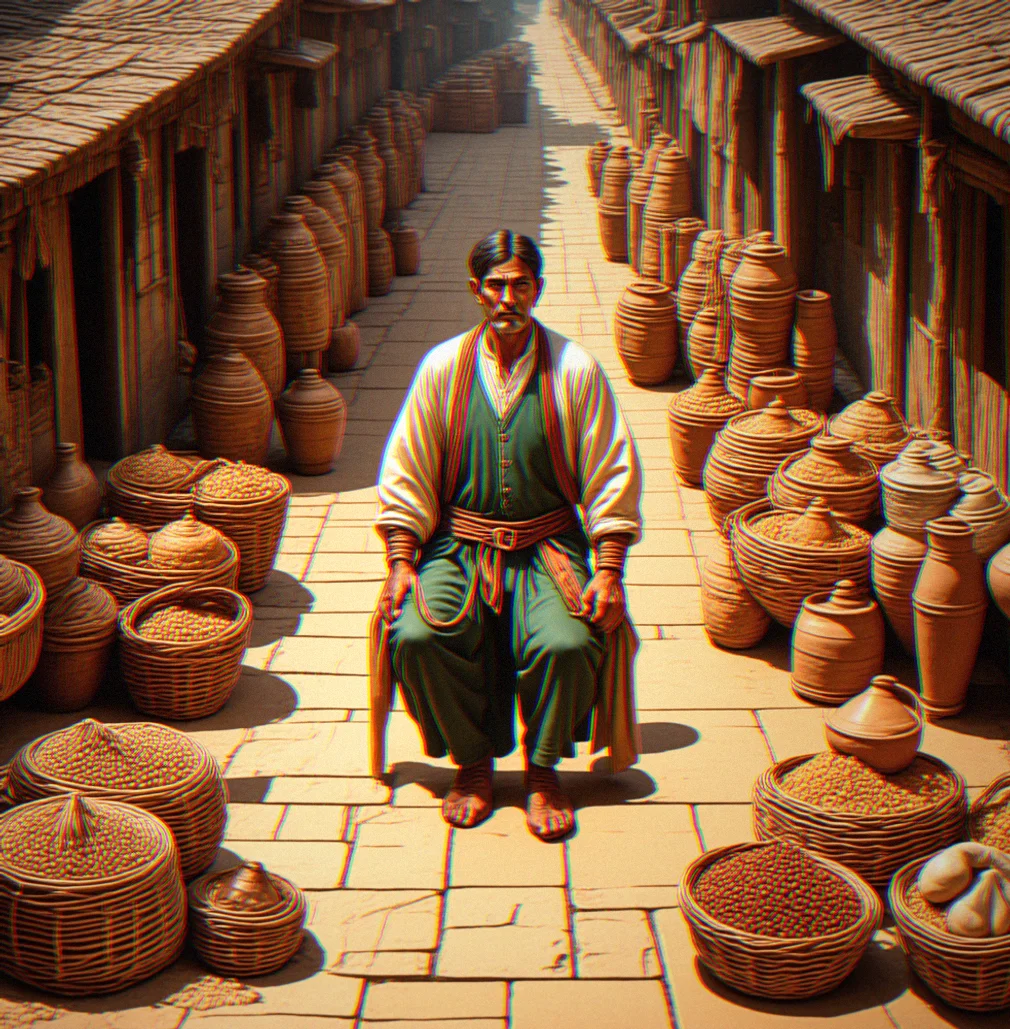
Hand-crafted means we designed every bazaar district, every merchant placement, every trade route distance. A spice vendor in the corner stall has different supply patterns than one on the main thoroughfare. In a procedurally generated game, you get infinite maps but no intentional geography. Here, you learn the terrain.

Both. Widemarket supports turn-based and real-time modes. Turn-based gives you time to plan supply chains and read market data. Real-time punishes hesitation and rewards quick decision-making. The economy works the same way in both—just the pressure is different.

You can take out loans at 5% interest per turn. But that compounds fast. A large loan costs you a chunk per turn, which means you're earning that much just to break even on interest. Most players avoid debt unless they see a high-confidence arbitrage.

Yes. They can miscalculate, hold inventory too long or get undercut on price. I've seen an NPC merchant dump a ton of textiles at a steep loss because their warehouse was full and they needed cash. That's when sharp players move in and buy the dip.